
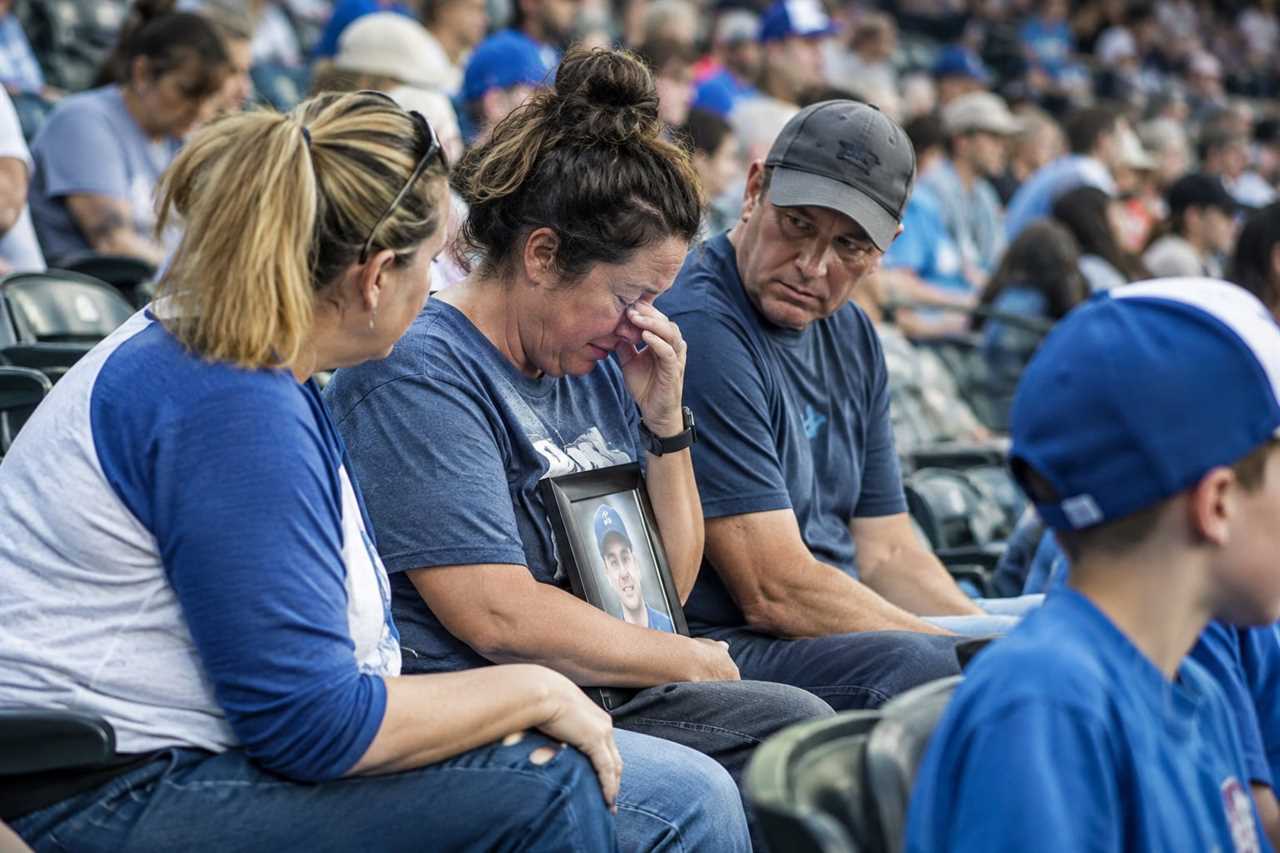
A grieving mother in Seattle has been offering an empty seat at Mariners games to strangers, turning a private loss into a quiet invitation for connection, according to a report in The New York Times. The story, which ran this week, follows her simple gesture: asking people nearby to sit where someone she loved once sat.
The details are sparse so far, but the shape of the story is clear enough. A seat that used to belong to someone who is gone now gets offered to whoever happens to be near it. Instead of leaving it empty, or quietly carrying the weight of that absence alone, she is choosing to open it up. Strangers become, for nine innings, something closer to companions.
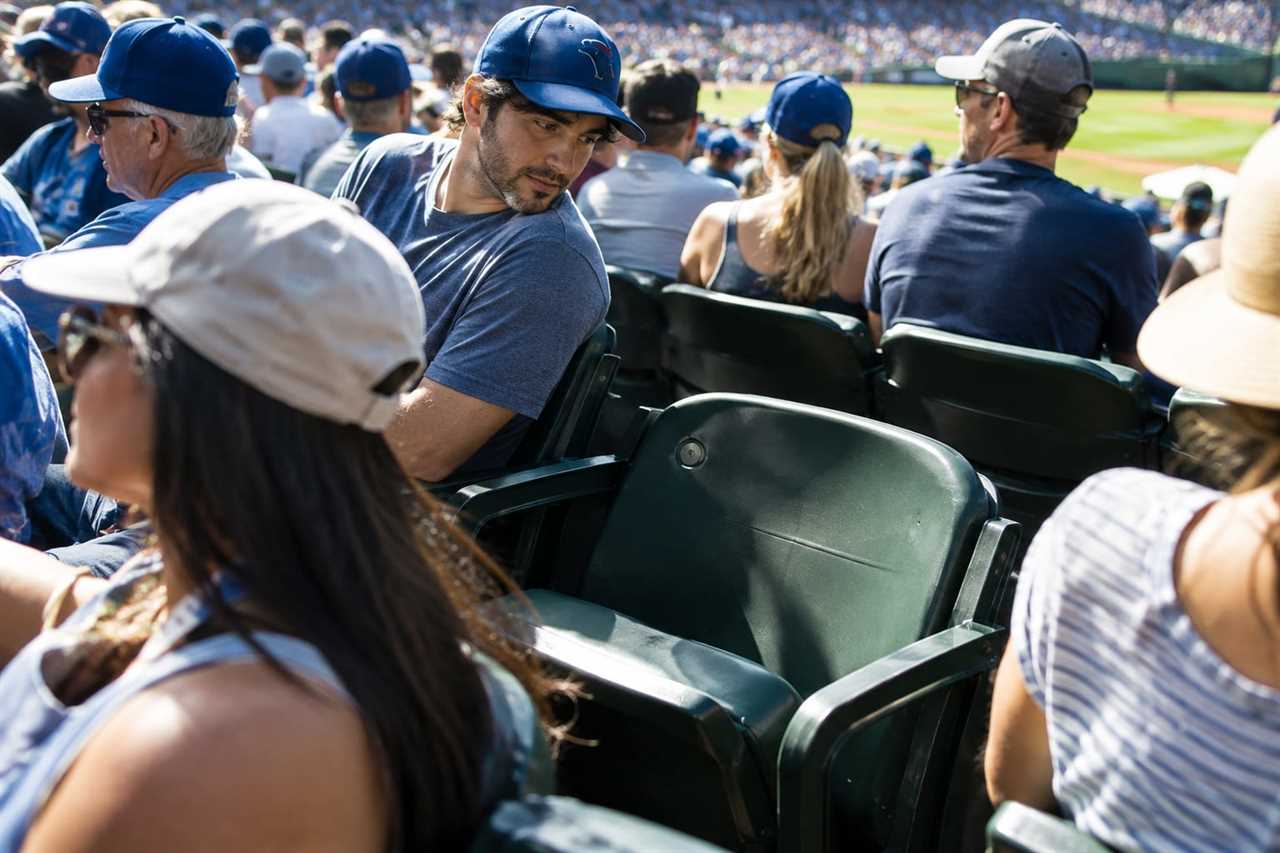
It is a small act. It is also not small at all. Grief tends to push people toward isolation, toward holding the loss close and letting the world go on without really looking at it. What this mother is doing, by the Times' account, is the opposite. She is letting a public space, a crowded ballpark full of people who do not know her, become part of how she carries her loss.
What I'd tell a client about this
The lesson here is not really about baseball, and it is not really about grief alone either. It is about what happens when you stop protecting your pain from other people and instead let it become a point of contact.
I see this pattern constantly in my work with clients. Someone goes through something hard, a loss, a setback, a change they did not choose, and their instinct is to manage it privately. Keep the seat empty. Keep the story to themselves. It feels safer that way, and often it is, for a while. But isolation has a cost. It can calcify grief, or stress, or disappointment, into something heavier than it needs to be.
What this story captures is a different instinct: inviting someone in, even a stranger, even for a short time, and letting that connection do some of the work that isolation cannot. You do not need a tragedy to practice this. You need a willingness to say, in whatever form fits your situation, "sit here." That might mean telling a colleague the real reason you have been distracted. It might mean asking a friend to join you for something you would normally do alone. It might mean simply letting one person in on what you are actually dealing with, instead of performing that you are fine.
The clients who move through hard seasons with the most resilience are rarely the ones who white-knuckle it solo. They are the ones who find small, manageable ways to let other people stand near them in it.
One thing to do this week
Pick one seat you have been keeping empty, literally or otherwise. Maybe it is an actual conversation you have been avoiding. Maybe it is an invitation you have been meaning to extend but have talked yourself out of because it feels too vulnerable or too small to matter. This week, extend it. Ask someone to sit with you in whatever you are carrying, even briefly. You do not have to explain everything. You do not have to make it a big moment. Just open the seat.
That is really the whole lesson from this story. Connection does not require a grand gesture. It requires a willingness to let someone else in, on an ordinary day, in an ordinary place, doing something as unremarkable as watching a ballgame. The mother in this story did not wait for the perfect moment or the perfect words. She just asked.
If you are working through something difficult right now, consider who your "sit here" moment could be directed toward this week. You might be surprised how much lighter the thing you are carrying feels once someone else is sitting beside it with you.
See also our earlier piece: Bob Saget's Widow, Kelly Rizzo, Opens Up About Guilt Over Feeling Happy Again