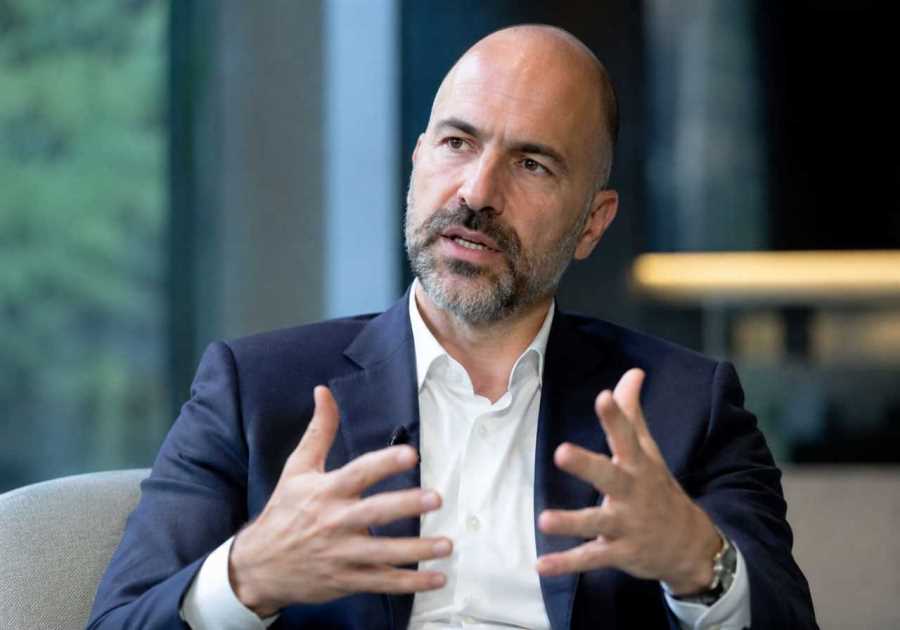
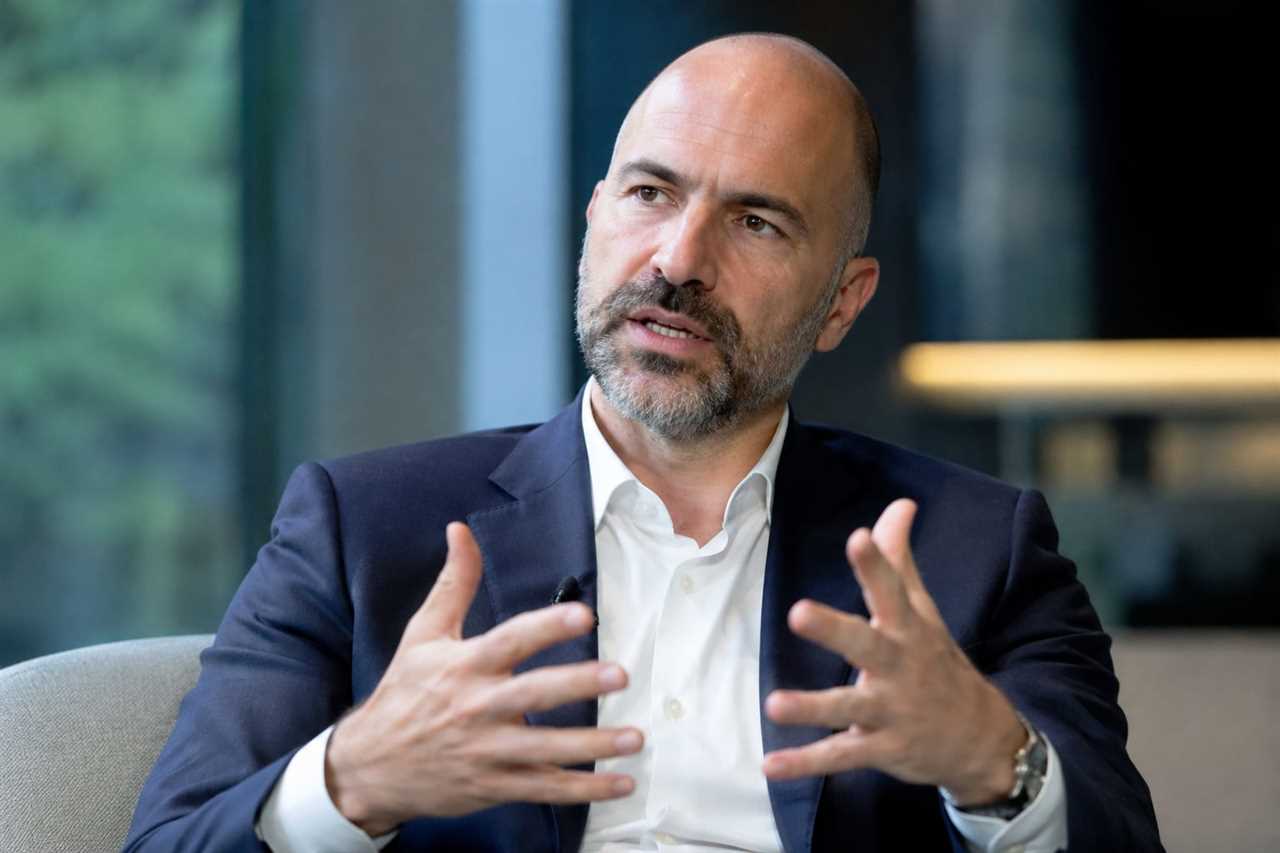
Uber CEO Dara Khosrowshahi recently told Fortune that the company's culture is "really demanding" and that employees are expected to stay responsive even on weekends. He put it bluntly: "Don't come here if you want to coast."
What I'd tell a client about this
Here's the lesson I'd pull out of this one: culture isn't what a company says in its handbook, it's what the leader actually does every day, and people notice.
Khosrowshahi didn't just set a rule for his team. He described his own habits in detail. He sends emails to his team on Saturdays, and if he doesn't hear back, he follows up on Sunday with a question mark, asking what's going on. He checks his inbox around 9:30 pm after a two hour dinner with his family, and again after waking up at 5:30 am. He said part of working hard is being the one sending those weekend messages in the first place.
That's the real takeaway for anyone managing people, or managing yourself. Whatever standard you want your team or your business to hit, you have to be living it first. If you expect responsiveness, show responsiveness. If you expect hustle, show hustle. Khosrowshahi isn't asking Uber employees to do something he doesn't do himself, and that's exactly why he can ask it without sounding like a hypocrite.

He also tied this directly to results. He said Uber was losing between $2.5 billion and $3 billion a year when he took over in 2017. Under his leadership, the company shifted its strategy and its work culture, and he said Uber generated $9.8 billion in free cash flow last year. To him, that number is proof the demanding culture is working, not just talk.
There's a nuance here worth sitting with too. Khosrowshahi said hard work and flexibility aren't opposites. He believes in flexibility, but he's clear that flexibility comes with tradeoffs. "People confuse lack of flexibility to working hard," he said. "You can work hard, and at the same time you can have flexibility." That's a more honest version of the hustle conversation than the all-or-nothing takes you usually hear. It's not about chaining yourself to your desk every waking hour. It's about being clear on what you owe your work and what you owe the rest of your life, and not pretending you can skip the tradeoffs.
He also made a point about career strategy that's easy to miss. He said the most important skill in life is working hard, and that too many professionals spend their energy trying to find the "right" path instead of just building a strong work ethic. His own standard is simple: "I'm not going to let anyone outwork me." He admits other people may be smarter or more talented, but he's betting that effort compounds over time into a real advantage.
As a coach, I turn stories like this into one useful lesson for the people I work with, and this one is clear: define the standard, model it yourself, and be upfront about what it costs. Khosrowshahi isn't hiding the demands of working at Uber. He's telling people straight up what it takes and what they'll get in return, including real agency and the chance to learn a lot and make a difference. Whether you run a team of one or a hundred, that kind of honesty is worth more than a culture deck nobody reads.
One small action for this week
Pick one standard you expect from your team, your clients, or even just yourself, and check whether your own behavior this week actually matches it. If you want fast responses, are you giving them? If you want initiative, are you showing it? Fix the gap before you ask anyone else to close it.
Our last article on this: Linkin Park on grief, healing and finding their way back