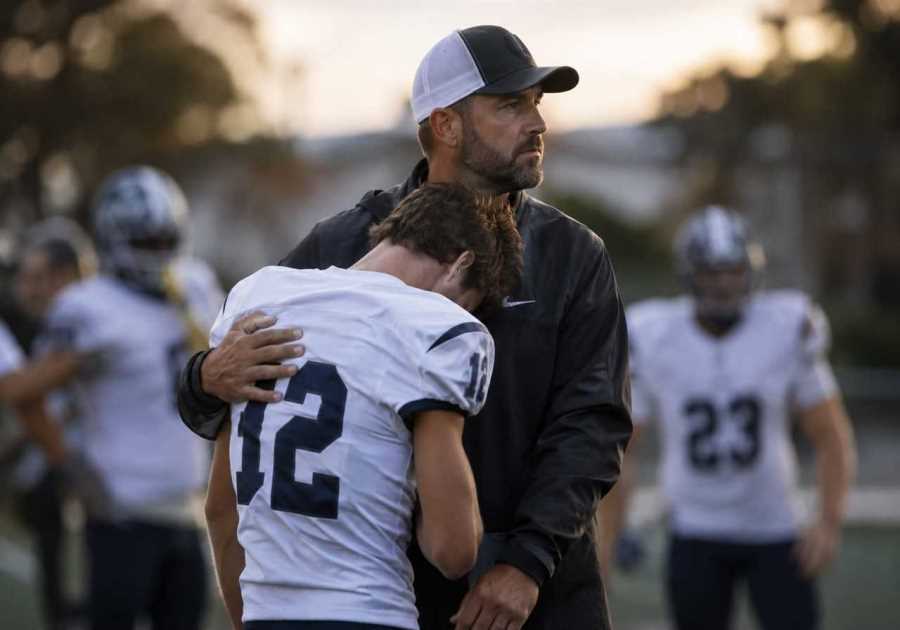
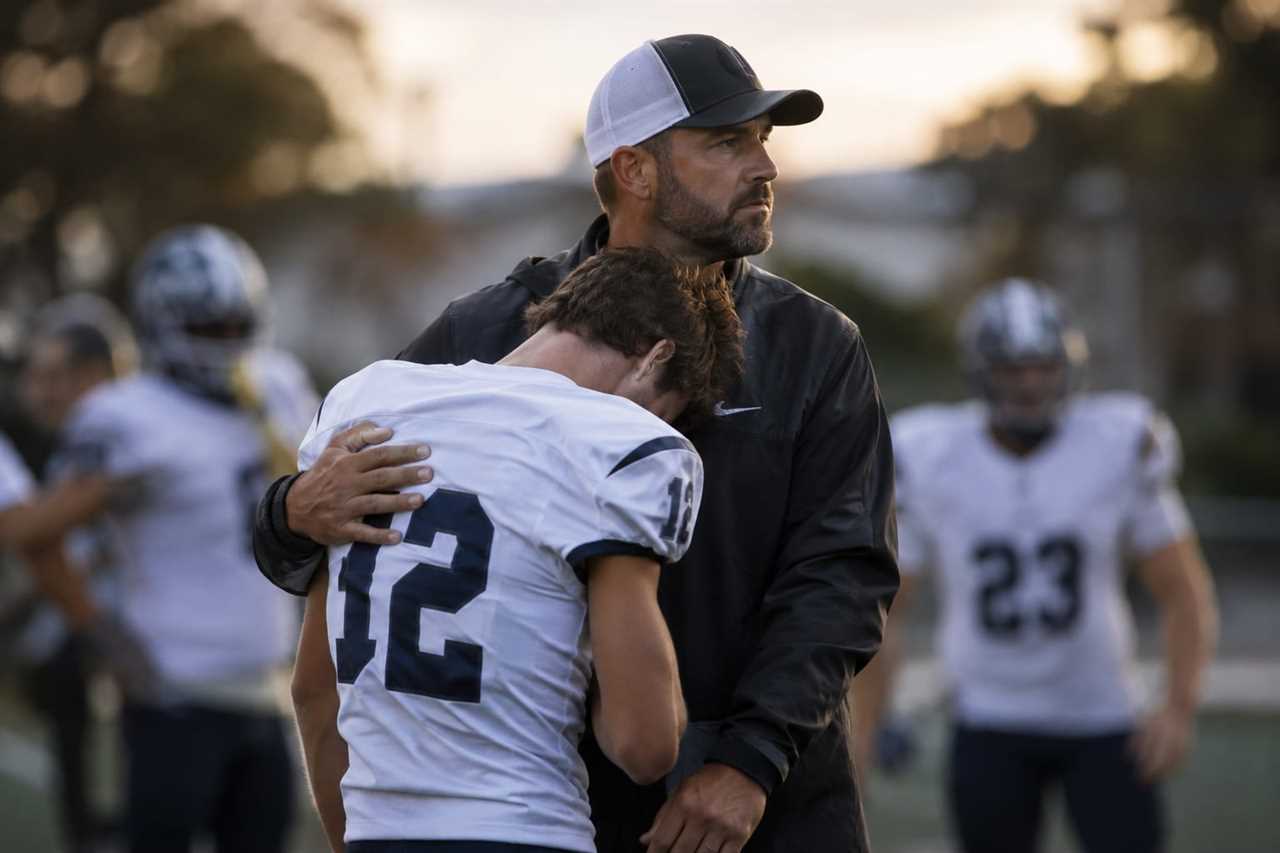
A Texas high school football coach is leaning on his team and his sport to get through the unimaginable. Wade Lytal, who coaches at Trinity University in San Antonio, lost his daughter in the catastrophic July Fourth flooding that struck Texas in 2025, and he has spoken about finding a measure of healing by staying close to the game he has built his life around.
The flooding that hit the Texas Hill Country over the July Fourth weekend caused widespread devastation, and families across the state are still processing losses connected to that disaster, including those tied to Camp Mystic. For Coach Lytal, returning to football has become part of how he copes with a loss no parent should have to face.
What I'd tell a client about this
When something this painful happens, the instinct for a lot of people is to step away from everything, including the routines and communities that give their days shape. What this story shows is the opposite can also be true. Sometimes the structure you already have, your team, your work, your daily rhythm, is exactly what holds you up when the ground disappears under you.
I work with clients going through hard seasons more often than you might think. Grief does not wait for a convenient time, and neither does loss of other kinds: a business setback, a health scare, a relationship ending. The common thread I see is that the people who recover and keep moving forward are rarely the ones who isolate themselves completely. They are the ones who find one steady thing, one place where people know them and expect them to show up, and they hold onto it. For Coach Lytal, that steady thing is football and the players who count on him. For someone else, it might be a weekly meeting, a small business they built, or a routine they do not want to let go of even on the worst days.

The lesson is not that you push grief aside or pretend you are fine. It is that the structures you already have in place, the ones you built before the hard thing happened, can become the scaffolding that carries you through it. You do not have to invent a new coping mechanism in the middle of a crisis. You can lean on what is already there.
One small action for this week
Think about one routine or community in your life that gives you a reason to show up, even on a bad day. It could be a job, a team, a class, a standing call with a friend. This week, do not skip it. If you are not currently in crisis, use the time to notice how that structure supports you, so you recognize its value before you ever need to lean on it harder. If you are in a hard season right now, let that one commitment be the thing you do not cancel, even when everything in you wants to stay home.
This is a small thing, but it matters. People rebuilding after loss often tell me the turning point was not a big decision. It was simply choosing to keep showing up to one place that still needed them. That is what Coach Lytal seems to be doing. He has not stepped away from his players. He has stayed, and by staying, he has given himself something to hold onto while he grieves.
Loss like this does not have a timeline, and there is no script for how a parent is supposed to move through it. But stories like this one are a reminder that healing does not always look like retreating from the world. Sometimes it looks like walking back onto the field, surrounded by people who need you, and letting that purpose carry you one day at a time. If you are facing something hard right now, you do not have to figure out a brand new way forward. Look at what you already have built, the people, the routines, the work that matters to you, and let that be the thing that holds you steady while you heal.
Before this, we covered: An Army Veteran, An Afghan Artist, And A Friendship Neither Expected