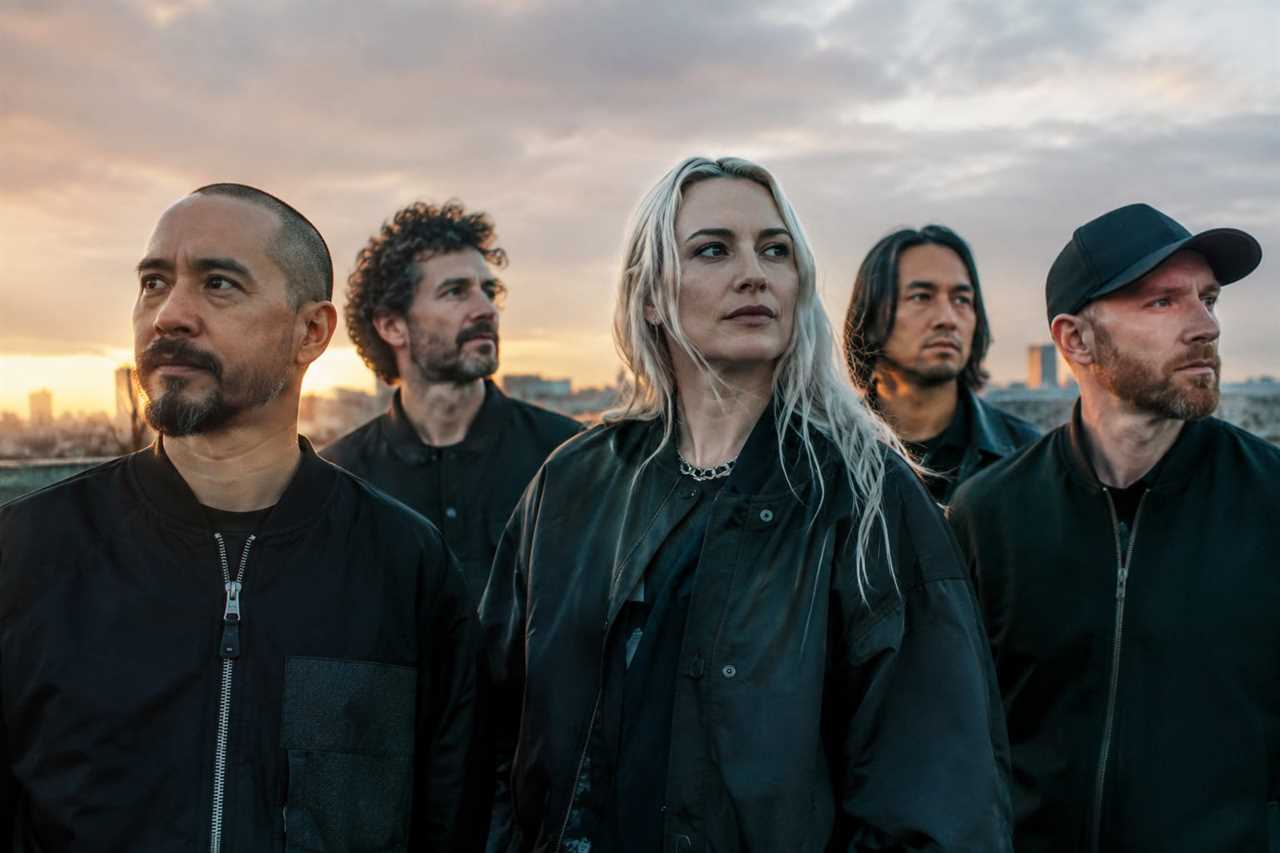
Linkin Park sat down with the Associated Press this week to talk about grief, healing and what it has taken to find their way back to making music together. The interview comes as the band continues to navigate life and work after the loss of Chester Bennington, sharing how they have processed that loss while deciding what the next chapter looks like.
You do not need to be a rock star to recognize the territory. Loss changes the shape of a group, a family or a team, and the question of whether to keep going, and how, does not answer itself overnight.
What I'd tell a client about this
Here is the lesson I keep coming back to when a story like this crosses my desk: healing and moving forward are not two separate stages you complete in order. They happen at the same time, messily, and that is normal.
When someone is grieving, whether it is the loss of a person, a job, a relationship or an old version of their life, there is often pressure to pick a lane. Either you are "still healing" and everything is on pause, or you have "moved on" and you are supposed to act like your old self again. Linkin Park's story pushes back on that. Finding your way back to something you love does not mean the grief is finished. It means you are learning to carry it while you keep building.
I see this constantly with clients who are rebuilding after a hard season, a business setback, a health scare, the end of something they thought would last. They want permission to do two things that feel contradictory: honor what was lost and also take a real step forward. The truth is you can do both in the same week, sometimes the same day. You do not need to wait until you feel fully healed before you let yourself create again, show up again or try again. Waiting for that finish line often means waiting forever, because grief does not work on a clean timeline.
What makes a comeback like this possible is not that the pain disappeared. It is that the people involved kept choosing, over and over, to stay connected to each other and to the thing they built together. That choosing is the part that transfers to your life. You do not have to feel ready. You have to keep choosing to show up, in small ways, while the healing keeps happening in the background.
One small action for this week
Pick one thing you have been putting off because you do not feel "ready" yet, a project, a conversation, a return to something you used to love. This week, do not wait for readiness. Take one small, concrete step toward it anyway, even five minutes of effort. Write the first line of the email. Open the project file. Make the phone call you have been avoiding. Let the step be small enough that it does not require you to have everything figured out emotionally first.

Then notice how it feels. You may find that taking the step does not require the grief to be gone. It just requires you to be willing to carry both things at once, the loss and the forward motion, side by side.
That is really what stories like this one offer the rest of us. Not a blueprint for erasing pain, but proof that people can keep creating, keep connecting and keep building something meaningful while still carrying what they have lost. The band finding their way back is not a sign that the hard part is over. It is a sign that moving forward and healing were never actually opposites in the first place.
If you are sitting on a decision like this right now, waiting to feel ready before you take the next step, let this be the nudge. You are allowed to start before you feel whole. Most people who end up somewhere worth being did exactly that.
Missed the last one? The Sunday Scaries Are Real, and More Than Half of U.S. Workers Have Them