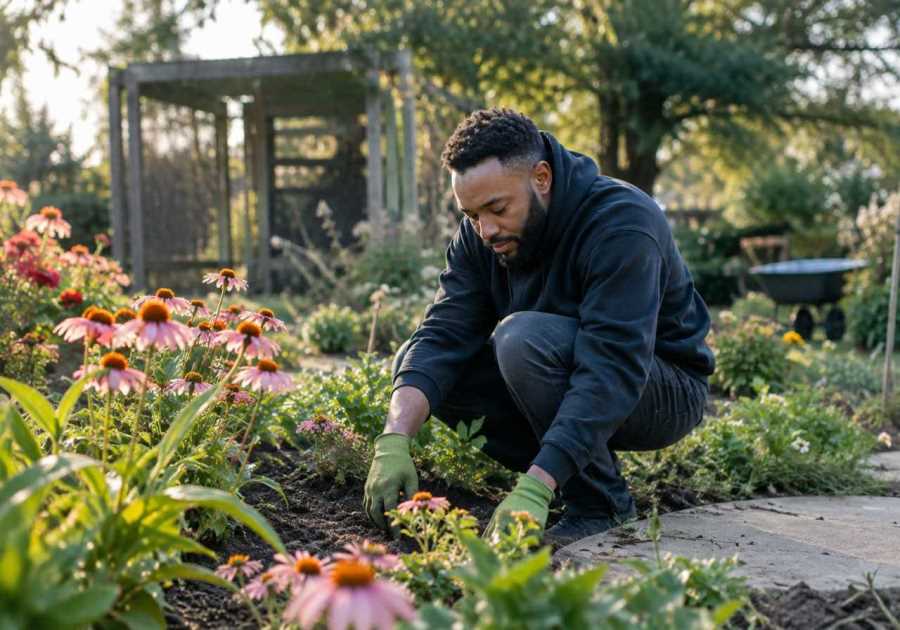
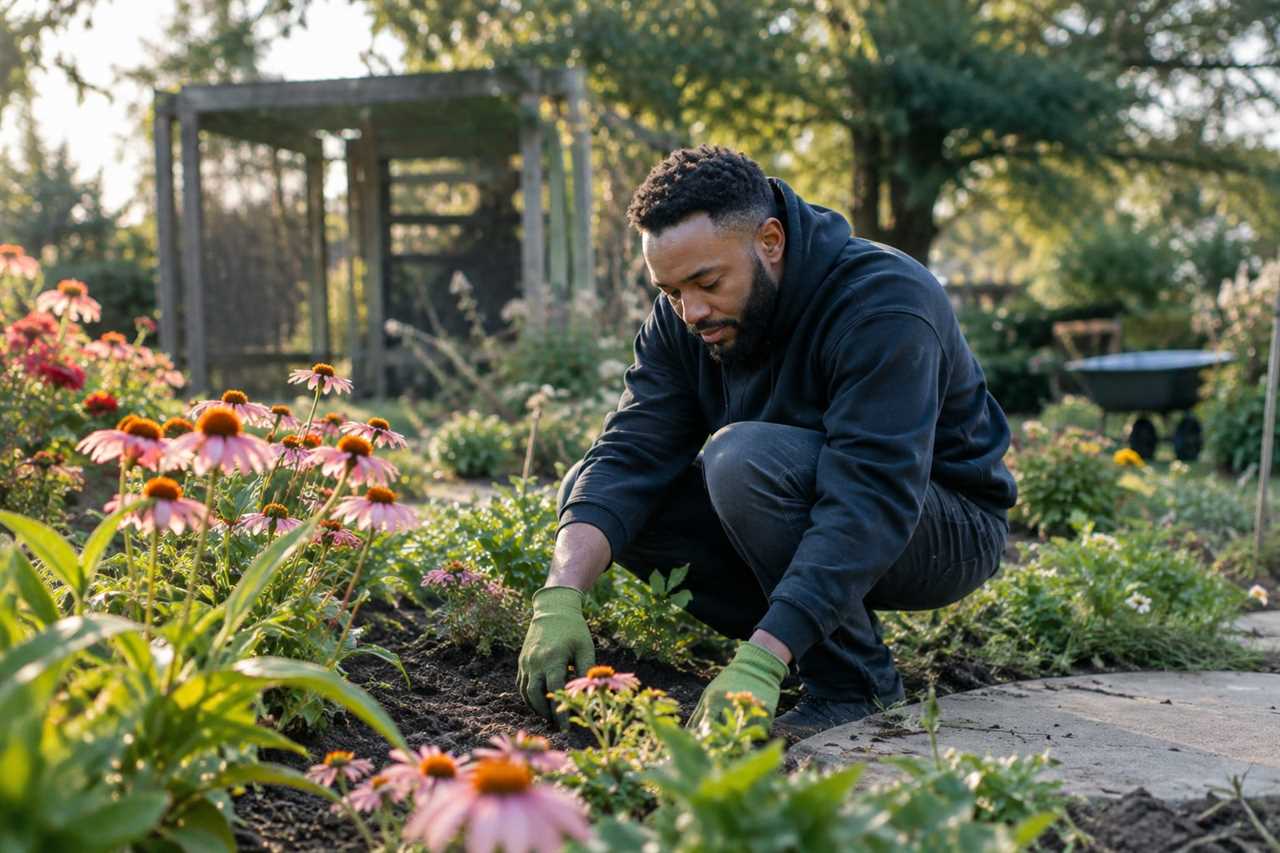
Residents of Enoch, Utah are building a healing garden for their community, three and a half years after seven members of the Haight family were killed in their home. The project comes as neighbors continue working through the aftermath of a tragedy that drew attention from around the world.

On January 4, 2023, Michael Haight killed his wife, Tausha Haight, 40, her mother, Gail Earl, 78, and five of his own children: Macie, 17, Briley, 12, Sienna, 7, Ammon, 7, and Gavin, 4. He then took his own life. The murder-suicide shattered a quiet neighborhood and left lasting scars on the people who lived closest to the family.
Amy Nielson, an Enoch resident and mental health counselor, described how the tragedy shook even the youngest members of the community. She said children began asking whether their own parents could do something similar, a question that undid the sense of safety kids are supposed to feel at home. That kind of fear does not just disappear. It lingers in small ways, in bedtime routines, in how a child looks at a parent, in whether a neighborhood still feels like a place to play freely.
Cindy Baldwin, a longtime friend and neighbor of Tausha Haight, spoke about how close their families were before the murders. She lived two doors down and shared a backyard with the Haights at one point, building a fence around three yards so the kids could run between them. She recalled Tausha's children painting on her stucco and playing in her sandbox, and said traces of that time are still there, paint from the twins that never got washed off. Baldwin said the tragedy affected her, her family, and the whole community on a deep level.
She also remembered a slide off the Haight family's back deck that her own kids loved. After the murders, the play stopped. Baldwin said her children could still see that slide from their yard, a small but constant reminder of what happened. Part of the healing process, she said, has come from her kids building friendship with the new family that eventually moved into the home.
What I'd tell a client about this
Grief does not follow a schedule, and healing rarely looks like moving on. It looks like slow, deliberate steps that let people carry a loss without being crushed by it. What stands out in Enoch is that the community did not wait for the pain to fade on its own. They chose to build something, a garden, a shared space, a physical place to hold both the memory and the recovery together. That is the lesson worth carrying into any hard season, personal or communal: healing tends to take root faster when people give it a place to grow, rather than expecting it to happen quietly in the background of daily life.
One small step this week
Think of someone in your own life who has been carrying a loss, quiet or public, recent or years old. This week, do one concrete thing that acknowledges it without demanding they talk about it if they are not ready. That might mean helping start a small project together, sitting with them in a familiar place, or simply naming out loud that you remember what they lost. Grief often isolates people because everyone assumes someone else is checking in. Be the one who does not assume.
As a coach, I spend a lot of time turning stories like this into one clear lesson clients can actually use, because most people do not need more information about grief. They need a next step. If you are supporting someone through a hard anniversary, a loss, or a community-wide wound, that next step is usually smaller and more doable than it feels. Enoch did not need to solve their grief all at once. They planted a garden. Your version of that might be much smaller, but it still counts.
The community's healing garden will not undo what happened on January 4, 2023. It will not erase the questions children asked or the quiet that replaced the sound of kids on a slide. But it gives the people of Enoch somewhere to stand together, and that is often what healing actually requires: not answers, but a place to keep showing up.
Earlier in this series: A Retired Teacher Drove Cross-Country to Solve Her Family's Childcare Math