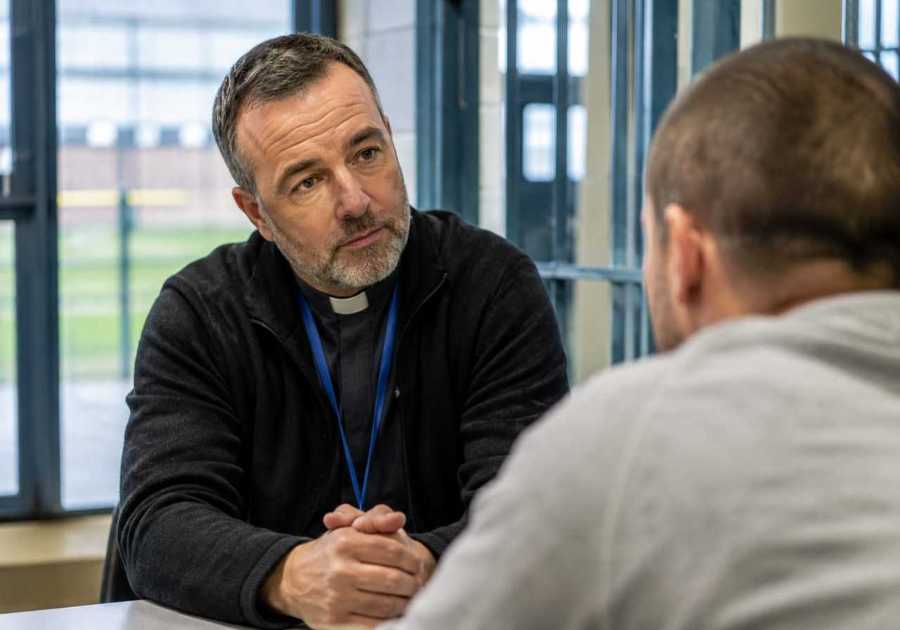
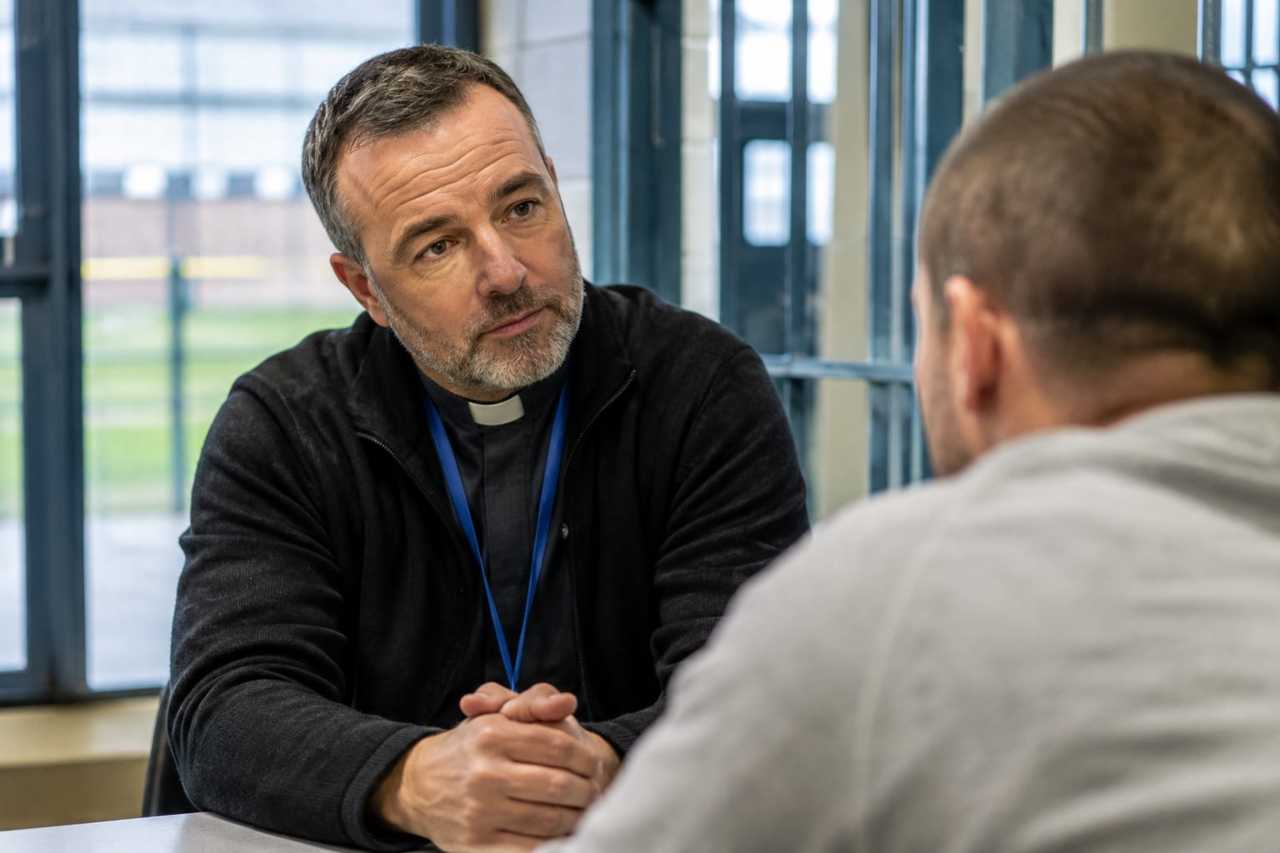
A prison chaplain in Surrey has spoken about his work offering inmates a path toward forgiveness and support behind bars. Alex Day, an Anglican chaplain, told the BBC that committing a crime and ending up in jail "does not mean I should be lost forever."
Day said his role involves walking alongside prisoners to help them cope with the challenges of incarceration. Much of his work is simple face-to-face conversation, listening to the stories people tell him and recognising, as he put it, that the people he talks with "are just like you and me." He was careful to note that some inmates have done things that are genuinely heinous and immoral. But he said most have simply made bad choices, silly mistakes, or done something stupid in a moment that changed the course of their life.
Day stressed that chaplains are not there to excuse wrongdoing. Prisoners still have to serve their punishment. What chaplains offer instead is pastoral care, a different kind of support for a different kind of need. He described being called to prisoners who are anxious or overwhelmed, often around moments that would be hard to face from inside a cell: a birthday, a birth, an anniversary happening on the outside while they are shut away from it. Without the distractions of ordinary life, Day said, those feelings of isolation can grow larger than they would outside prison walls, and people need some kind of release valve for that weight.

Sometimes it is not a specific event at all, just a bad day, or old childhood memories resurfacing with nowhere else to go. Day was clear that chaplains are not trained counsellors. What they offer is a listening ear and, as long as there are no safeguarding concerns, a space where a prisoner can open up honestly. He pointed out that prisoners cannot really be vulnerable with each other inside the prison environment. The chaplaincy, he said, exists to be the place where that vulnerability is possible.
What I'd tell a client about this
As a coach, my job is usually to take a piece of news and pull out the one lesson a client can actually use. This story is a good reminder that almost everyone you deal with, whether in a prison, a workplace, or your own family, is carrying something they cannot easily put down on their own. Day's point that people are "just like you and me," even after serious mistakes, is worth sitting with. It is easy to sort people into categories: good decisions, bad decisions, done. But most of the struggle in anyone's life happens in the quiet moments between the headlines, the birthday missed, the anniversary spent alone, the memory that will not settle. The lesson here is not really about prisons. It is about how rarely people get a space to be honest about what is actually weighing on them, and how much it matters when someone finally offers them one.
If you are in a position where people come to you for support, whether as a leader, a parent, a friend, or a colleague, you do not need to be a trained counsellor to make a difference. You just need to be willing to listen without rushing to fix, judge, or explain it away. That is a lower bar than most people think, and it is one almost anyone can clear if they decide to.
One thing to do this week
Pick one person in your life who might be quietly struggling with something, a tough patch at work, a hard anniversary, a mistake they are still carrying. Set aside fifteen minutes this week to sit with them and just listen, without steering the conversation toward advice or solutions. Let them talk. You might be the only space they have had all week to be honest about what is going on.
The idea that nobody is lost forever is not just a message for people behind bars. It is a reminder that the people around you, however they appear on the surface, usually have a story underneath that deserves a bit more patience than a quick judgment.
Before this, we covered: How a Brotherly Reconciliation Inspired the Smallbones' New Movie