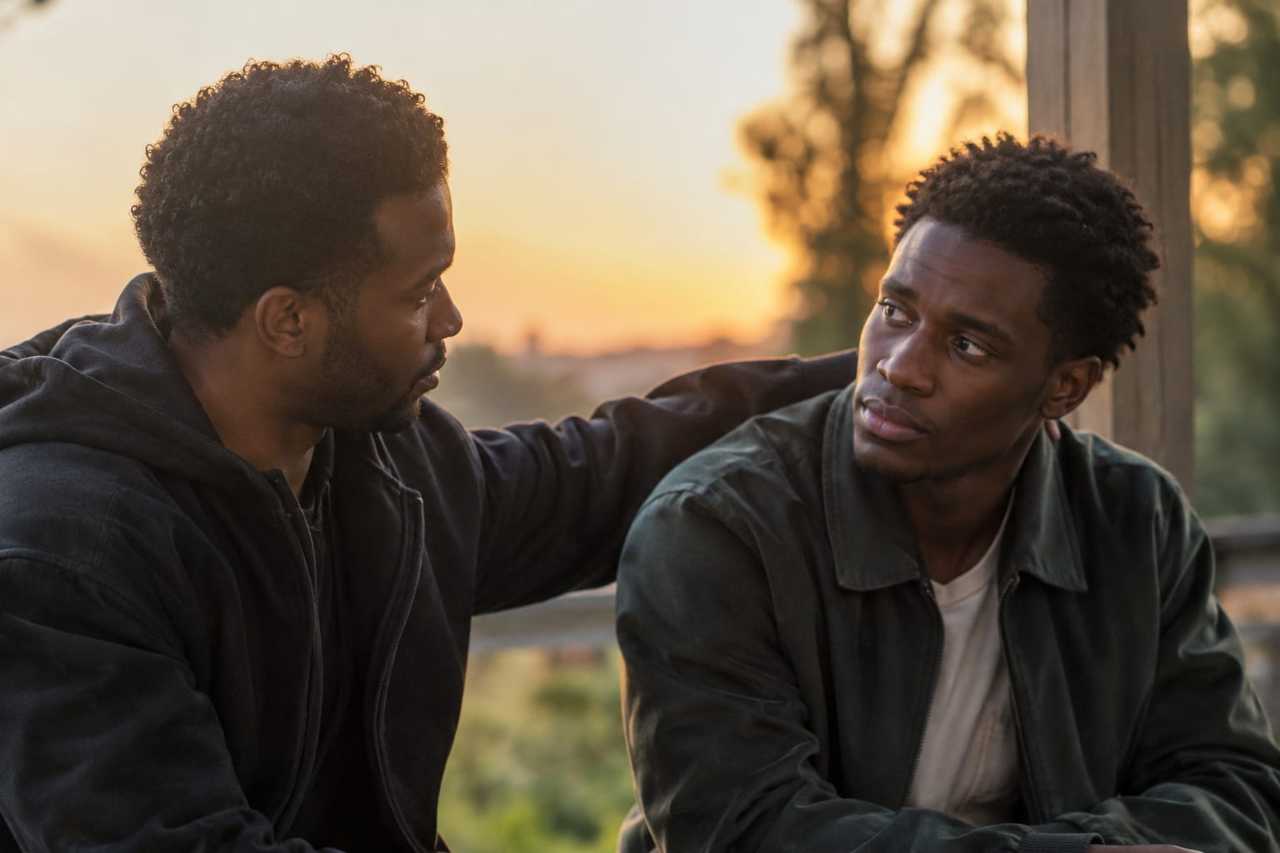
Ben Smallbone has shared the real-life story behind the new film “Drummer Boy,” revealing that an apology between brothers sparked the project. According to Movieguide, the reconciliation at the heart of the Smallbone family became the emotional seed that grew into the movie.
That is the news in short. A personal moment of humility between siblings turned into a creative project meant to reach an audience far beyond the family itself. It is a reminder that some of the most meaningful work we do, whether in film, business, or everyday relationships, often starts with something small and personal that we decide to be honest about.
What I'd tell a client about this
If a client brought me this story, I would tell them this: the stuff you are most tempted to keep private is often the stuff most worth sharing. Ben Smallbone did not set out to turn a family apology into a movie pitch. He lived through a real moment of brokenness and repair, and that experience became the foundation for something other people can now watch, relate to, and maybe learn from.
I see this pattern constantly with the people I coach. Someone goes through a hard season, whether it is a falling out with a sibling, a failed partnership, or a personal mistake they have to own up to, and on the other side of it they discover they have something valuable to offer. Not because the hard season was pleasant, but because they were willing to be honest about it afterward.
The lesson here is not "turn your pain into content." That is a shallow way to read this. The real lesson is that reconciliation, humility, and honest storytelling are not separate skills. If you are willing to say "I was wrong" or "I need to make this right" in your own life, you are already doing the hard work that later becomes the thing people connect with when you share it. Ben Smallbone did not manufacture a redemption story for marketing purposes. He lived one, and then he had something true to say.
For my clients, this means paying attention to the moments in their own life or work where they had to apologize, rebuild trust, or admit a mistake. Those moments feel uncomfortable in the present, but they are often the exact material that makes a later project, a pitch, or even a simple conversation with a customer feel real instead of rehearsed. Audiences, clients, and customers can tell the difference between a story that was lived and a story that was invented to sound good.
One small action to take this week
Here is something you can do this week, no matter what field you are in. Think back to a recent disagreement, misunderstanding, or mistake you have not fully addressed, whether with a family member, a coworker, or a client. Reach out and have the honest conversation you have been putting off. You do not need to turn it into a movie. You just need to close the loop.
Notice what happens afterward. Often the clarity and relief that come from an honest apology or a repaired relationship free up energy you did not know you were spending on avoidance. That energy is exactly what you need for the creative or professional work in front of you, the same way the Smallbones' personal moment became fuel for a film project.
If you are not sure how to start that conversation, keep it simple. Name what happened, own your part in it, and say what you would like to do differently going forward. You do not need a perfect script. You need honesty, the same kind that apparently sat at the center of the Smallbone brothers' story before it ever became a movie.
I work with clients on exactly this kind of thing, taking real personal moments and helping them become clear, usable lessons rather than things people bury out of discomfort. If that is something you have been putting off in your own life or business, this week is as good a time as any to start.
The Smallbones did not wait for the perfect moment to make things right. Neither should you.
Before this, we covered: The Science of Career Reinvention: What Dr. Shelly Rauvola's Work Teaches Us About Starting Over