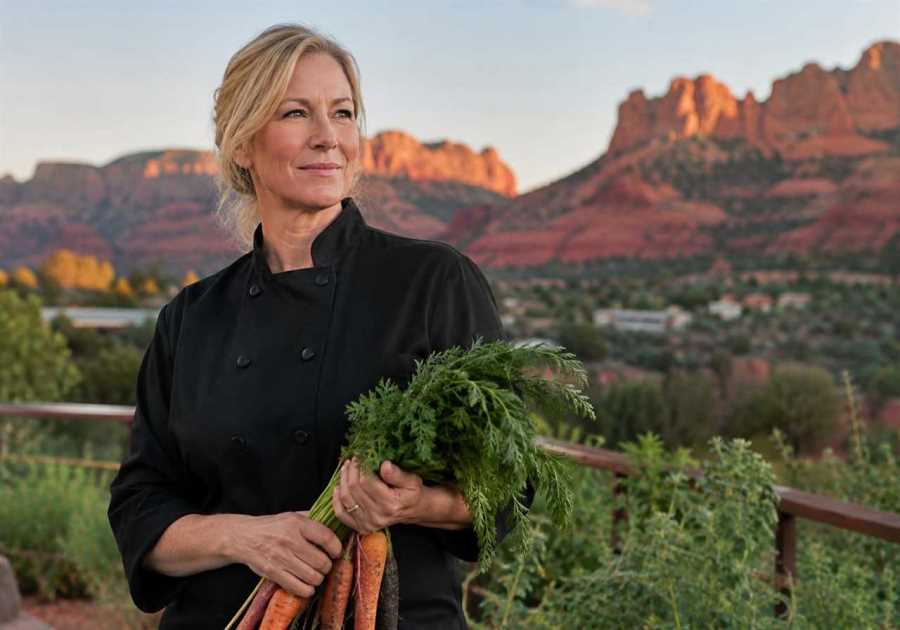
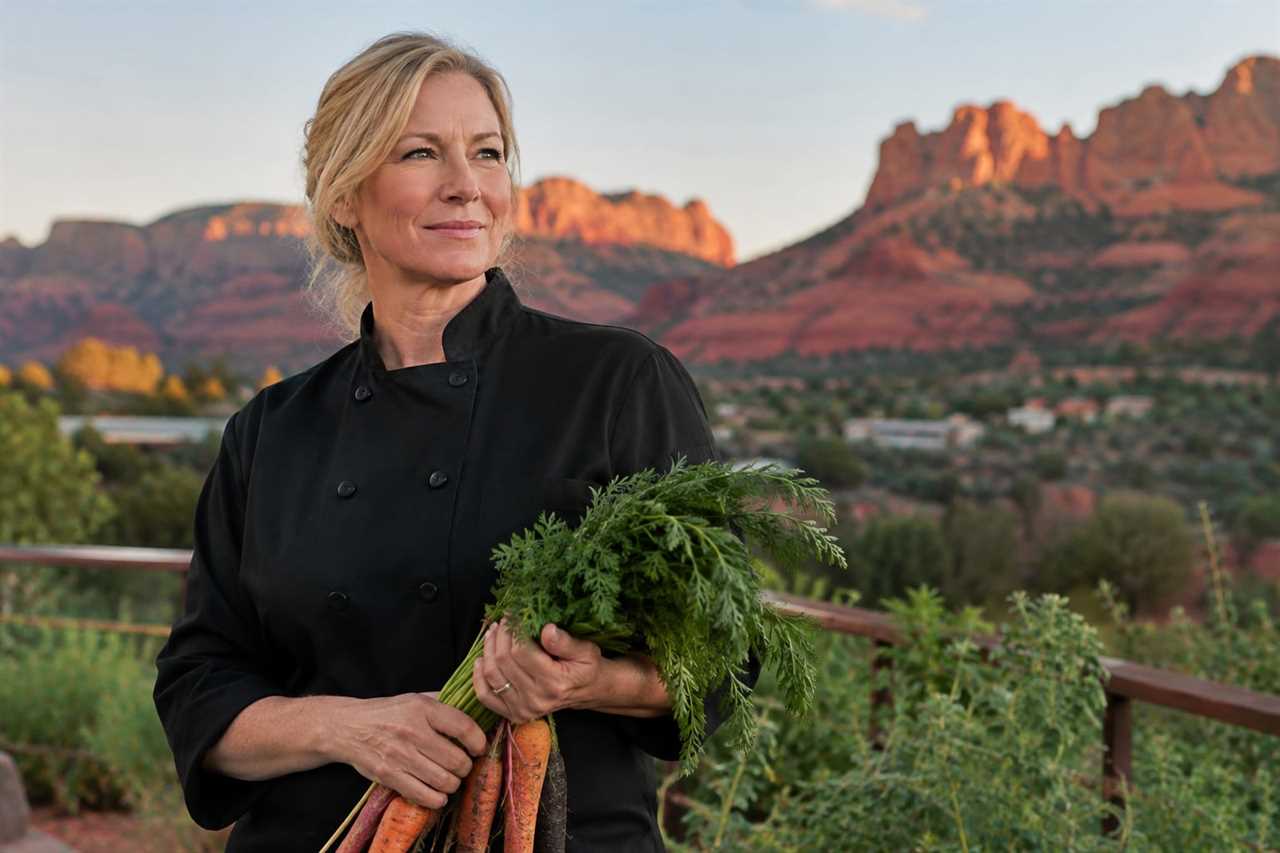
Lisa Dahl built a restaurant empire in Sedona, Arizona, out of one of the hardest things a person can live through: the loss of her son. FSR magazine traces her path from a grieving mother who arrived in Sedona in 1995 not knowing a soul, to the restaurateur behind Mariposa, Cucina Rustica, Dahl & Di Luca, Butterfly Burger, and Pisa Lisa.
Dahl's son Justin died in 1994. The following year, she felt drawn to Sedona, not to start a business but to escape her heartbreak. She hiked daily through the red-rock canyons, looking for some sense of steadiness. "I started to see signs in nature that assured me that I would be fine," she told FSR. Not long after, an opportunity came up to take over a failing local restaurant. Her partner at the time was an Italian chef, and cooking had always been part of her life. Her mother, grandmother, and nanny were all strong home cooks, and she had cooked often with Justin. That restaurant became Dahl & Di Luca Ristorante Italiano, and Sedona had never seen fine dining quite like it.

From there, Dahl kept building. Mariposa brought Latin-inspired fine dining to the desert. Pisa Lisa offered wood-fired pizzas. Each concept carries her belief that food should "touch the soul," as she put it, and that a restaurant is never just about the menu. She designs every detail herself, the lighting, the furniture, the music, the decor, and she builds her kitchens so the open flame is visible, treating fire almost like a character in the room. She has said no to expanding into bigger markets like Chicago or Scottsdale because she values the direct connection she has with guests in Sedona.
Her latest project moves beyond the restaurant table. The Lisa Dahl Foundation launched in late 2025 to bring nourishment to underserved communities. Its first program, Soup Hope, delivers soup to people in need, with a focus on the Navajo Nation and other Indigenous communities. For Dahl, soup carries meaning because it is simple, made over fire, and meant to be shared.
What I'd tell a client about this
Here is the lesson I keep coming back to when I read a story like Dahl's: the thing that breaks you can also become the thing that defines your best work, if you let it. Dahl didn't go to Sedona with a business plan. She went there to survive a loss. The restaurants came later, built on something real, her need to heal and her instinct to care for people through food. That is a pattern I see again and again with clients who are rebuilding after a setback, whether it's a career change, a loss, or a failed venture. The strongest comebacks aren't the ones built on ambition alone. They're built on something personal that the person refuses to let go of. Dahl says it herself: when you cook with love, you feed the soul. Whatever you make or sell, the same idea applies. People feel it when your work comes from somewhere true, and they feel it when it doesn't.
One small action for this week
Take fifteen minutes this week and write down the real reason behind whatever you're building right now, your business, your project, your next move. Not the elevator pitch version. The honest one. Dahl's answer was Justin. Yours might be something else entirely. Knowing it clearly will shape every decision you make next, from how you design a space to how you talk to customers.
Dahl's own words are worth sitting with: she doesn't see her losses as obstacles, she sees them as something to carry forward. She also makes a point about combining passion with action, saying she's seen people follow her because she had both. That combination, not just the feeling but the follow-through, is often the difference between an idea that stays a dream and one that becomes, as it did for her, five restaurants and a foundation built around soup and hope.
Catch up on our earlier post: In Grief, a Mother Asks Strangers to ‘Sit Here’ at a Ballgame