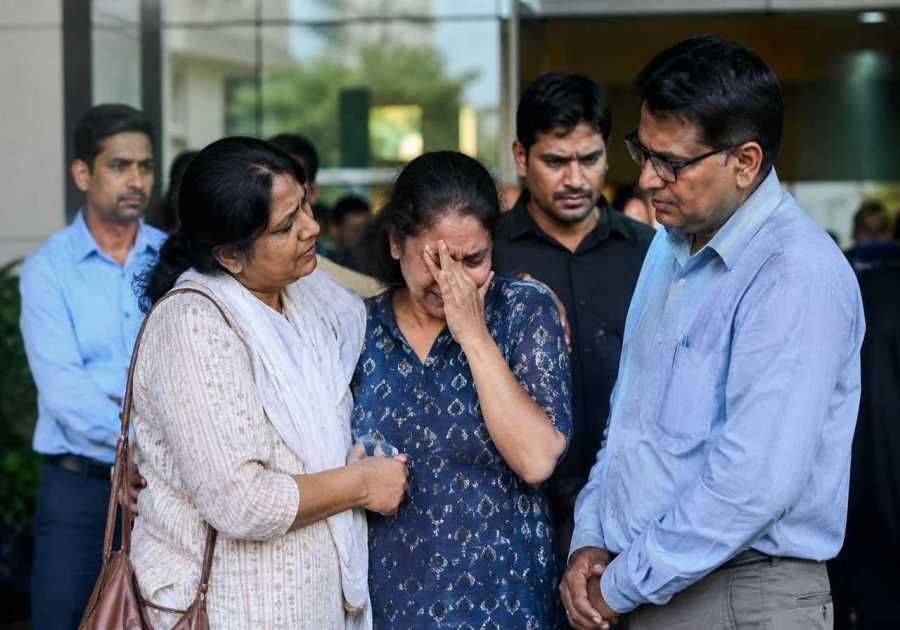
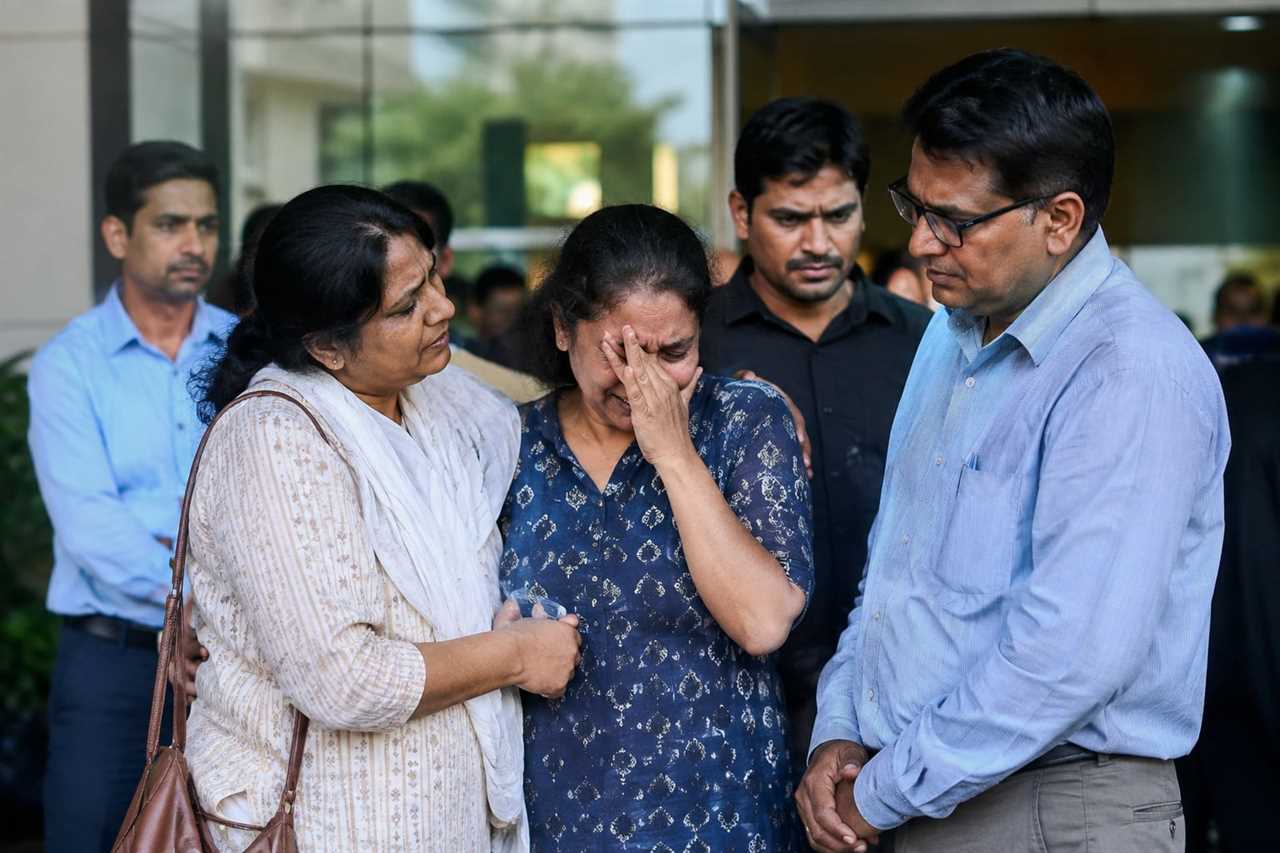
A branch manager at State Bank of India has died after leaving work late at night, and bank employees across social media are now demanding answers about working conditions inside the bank. The United Forum of Bank Unions has publicly called for an investigation into staffing, weekend duties and the hours officers are expected to put in.
The manager, Sanjeev Kilania, ran SBI's Pabau branch. According to the union's post on X, he left the branch around 9:00 PM on September 6th to drive home to Pauri. His car reportedly went into a trench during the journey, and he was found dead after a police search. The union's post asked directly: "How many more lives before employee safety is taken seriously?" It questioned who authorized such late hours and called for a formal review of work pressure, weekend duties and staffing levels.
The post also included several allegations beyond Kilania's death. It claimed he was frequently deputed to manage Scale I and Scale II branches on top of his own responsibilities, and that officers across the Pauri and Uttarkashi regions were routinely required to stay until 9 PM because of heavy workloads. Employees say the region has now lost two officers within two weeks, and many are linking both deaths to work pressure. There are also claims that branches were told to stay open on weekends to hit business targets, with no overtime pay or compensatory leave offered in return. The union wants regional management and HR held accountable for decisions on staffing, deputation and postings.
The story has pulled in wider frustration from bank staff online. One user described Kilania as a second victim of what they called a toxic work culture at SBI and asked Finance Minister Nirmala Sitharaman to step in. Others pointed to a bigger structural issue: the lack of fixed working hours for bank officers, which some say unions have not pushed hard enough on compared to their campaign for five-day banking. One commenter argued that fixed hours deserve equal attention alongside the five-day week, framing both as necessary for a functioning work-life balance in the sector.
What I'd tell a client about this
If you manage people, or if you're the one being managed into a corner, this story is a warning sign, not an isolated incident. When "get it done" becomes the only instruction anyone gives, hours creep, weekends disappear, and nobody officially owns the decision that made it happen. That's exactly what the union is pointing at here: not one bad night, but a pattern of late hours, unpaid weekend work and unclear accountability that built up over time. As a coach who spends a lot of time turning workplace news into one useful lesson for the people I work with, my take is simple: unsustainable hours are a system failure, not a personal failing, and the fix has to happen at the system level, whether that's a bank branch, a small business or a two-person team.
If you're in a leadership seat, that means asking who actually signs off on the hours your people work, and whether "meeting targets" has quietly become an excuse to skip compensation or rest. If you're the one working late because it's expected rather than required, it means asking the same question of your own workplace before it asks it of you.
One small step this week
Pick one day this week and write down the actual hours you or your team worked, start to finish, including anything unpaid or unofficial. Compare that to what your contract or job description says. If there's a gap, that's the conversation worth having with your manager, your HR department or yourself, before it becomes a pattern nobody can walk back from.
Kilania's death is now the subject of public pressure for an investigation, and that pressure is coming from the people who worked alongside him, not from management. Whatever industry you're in, that's worth sitting with. A workplace culture doesn't announce itself as unsafe until it's too late to fix quietly. Paying attention now, to your own hours and to the people you're responsible for, costs a lot less than waiting for a crisis to force the question.
See also our earlier piece: Your Age Isn't a Career Liability. It Might Be Your Best Asset