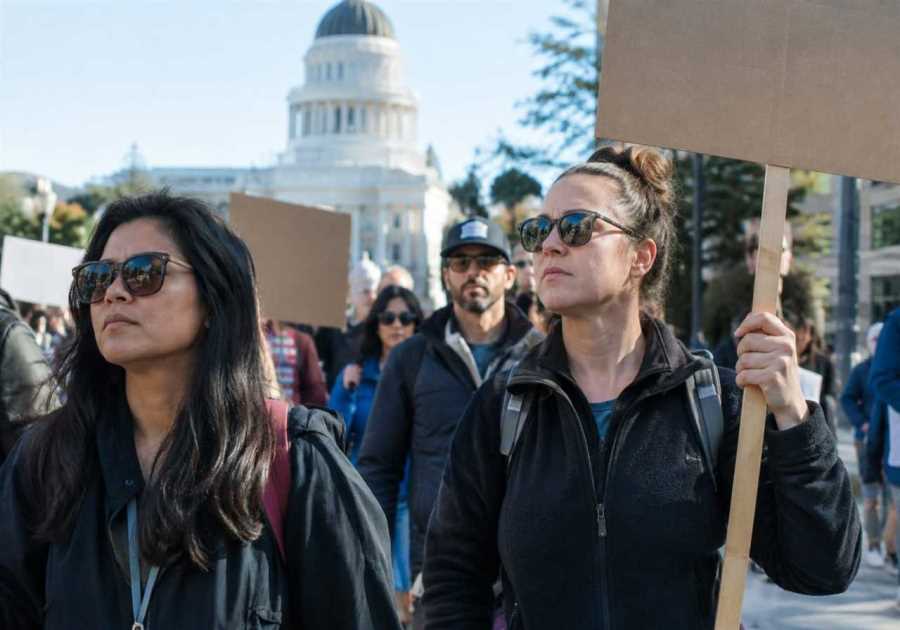
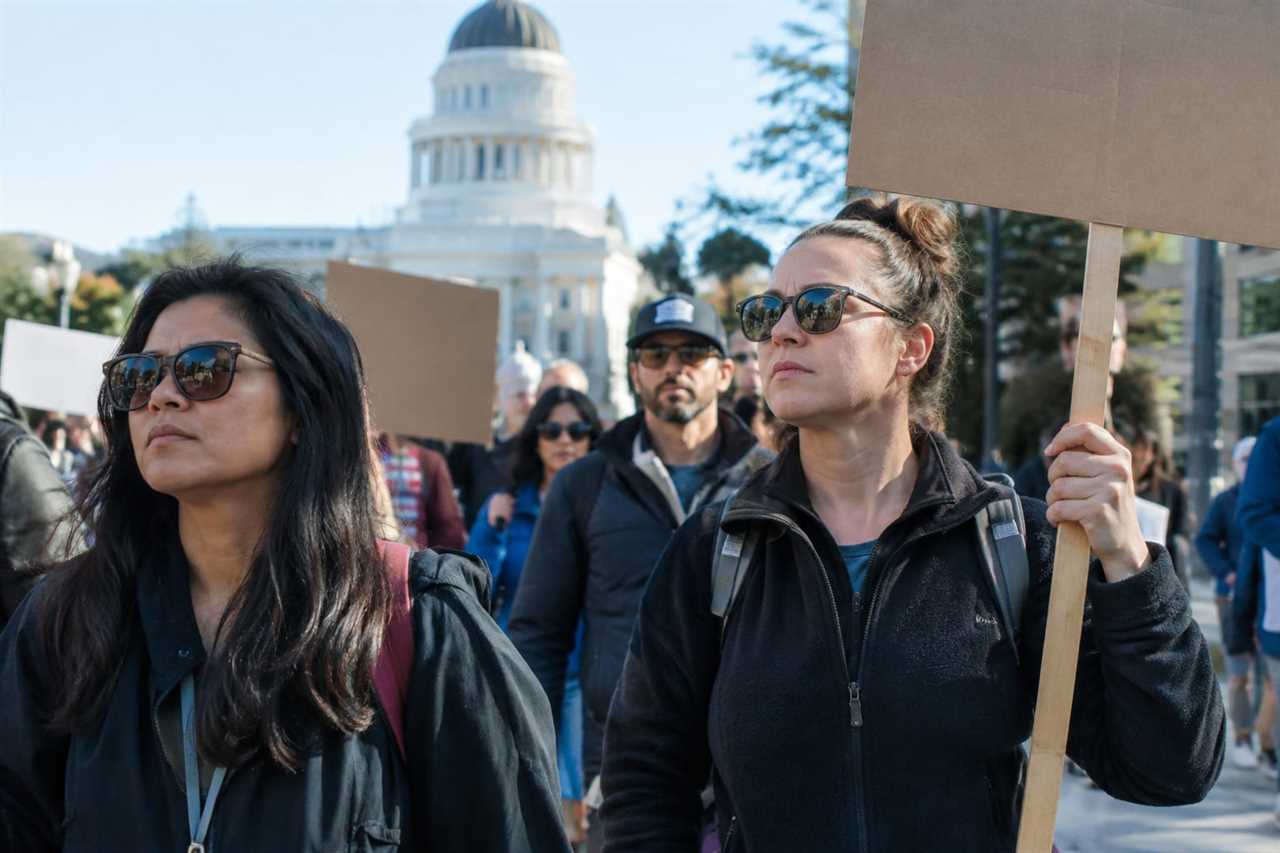
California state workers are striking for one day this Wednesday, demanding a new contract that raises pay, protects affordable healthcare and brings back more flexibility for remote work. The walkout, organized by SEIU Local 1000, marks the first strike by the union since it was founded in 2004.
SEIU Local 1000 is the largest union representing California government employees, with more than 100,000 members including auditors, nurses and counselors. Workers will picket in cities across the state after voting overwhelmingly earlier this month to authorize the strike, saying the Newsom administration has failed to bargain in good faith since their contract expired in June.
Union president Anica Walls said in a statement that the administration can and must do better, and that officials need to return to the table and negotiate a contract that lets state workers afford groceries, childcare, rent and other basic necessities.
The dispute follows Governor Gavin Newsom's order requiring state employees to return to the office four days a week by July 1. Newsom, who is set to leave office in January and is reportedly considering a 2028 presidential run, has said the policy will improve collaboration and innovation in state government, which he argues will help agencies better serve the public. He also vetoed a union-backed bill last month that would have required state agencies to explain in writing why they were requiring workers to come into the office.

The California Department of Human Resources says it is coordinating with the union and with individual state departments, which have contingency plans in place in case the strike disrupts government operations. In a statement, the department said it remains focused on reaching a fair and responsible agreement and continues to be available at the bargaining table.
The union contends that remote work saves the state money on office space and improves employees' work-life balance. Beyond the return-to-office fight, SEIU Local 1000 is also pushing for a 20% salary increase over the next three years and a bigger state contribution toward healthcare costs.
What I'd tell a client about this
If you manage people, or you're negotiating on behalf of yourself, this story is a reminder that policy decisions rarely stay isolated. Newsom's return-to-office order wasn't just about desks and badges. It became tangled up with pay, healthcare and trust in the bargaining process, and now it's led to the first strike in a 21-year-old union's history. When you make a big operational change without clear reasoning behind it, you create room for people to connect it to every other grievance they're carrying.
As a coach, I spend a lot of time turning stories like this into one useful lesson for clients: if you're going to ask people for more (more time in the office, more output, more flexibility from them), you need to be ready to explain why, and you need to be just as ready to listen to what they're asking for in return. The California Department of Human Resources says it remains at the table. That's the right instinct. The harder part is making sure "available to negotiate" actually looks like movement to the people on the other side of it.
One thing to do this week
Think about one policy or expectation you've set for your team, your clients or even yourself that hasn't been explained out loud in a while. This week, write down the actual reason behind it in one or two sentences. If you can't explain it clearly, that's useful information. If you can, share that reasoning with the people it affects before they have to guess at it.
If you're navigating a workplace change like this one and want help thinking through how to communicate it or respond to it, that's exactly the kind of situation I work through with clients.
Still catching up? Start with Karoline Leavitt Says Leaving the White House Was About Her Kids, Not the Job