
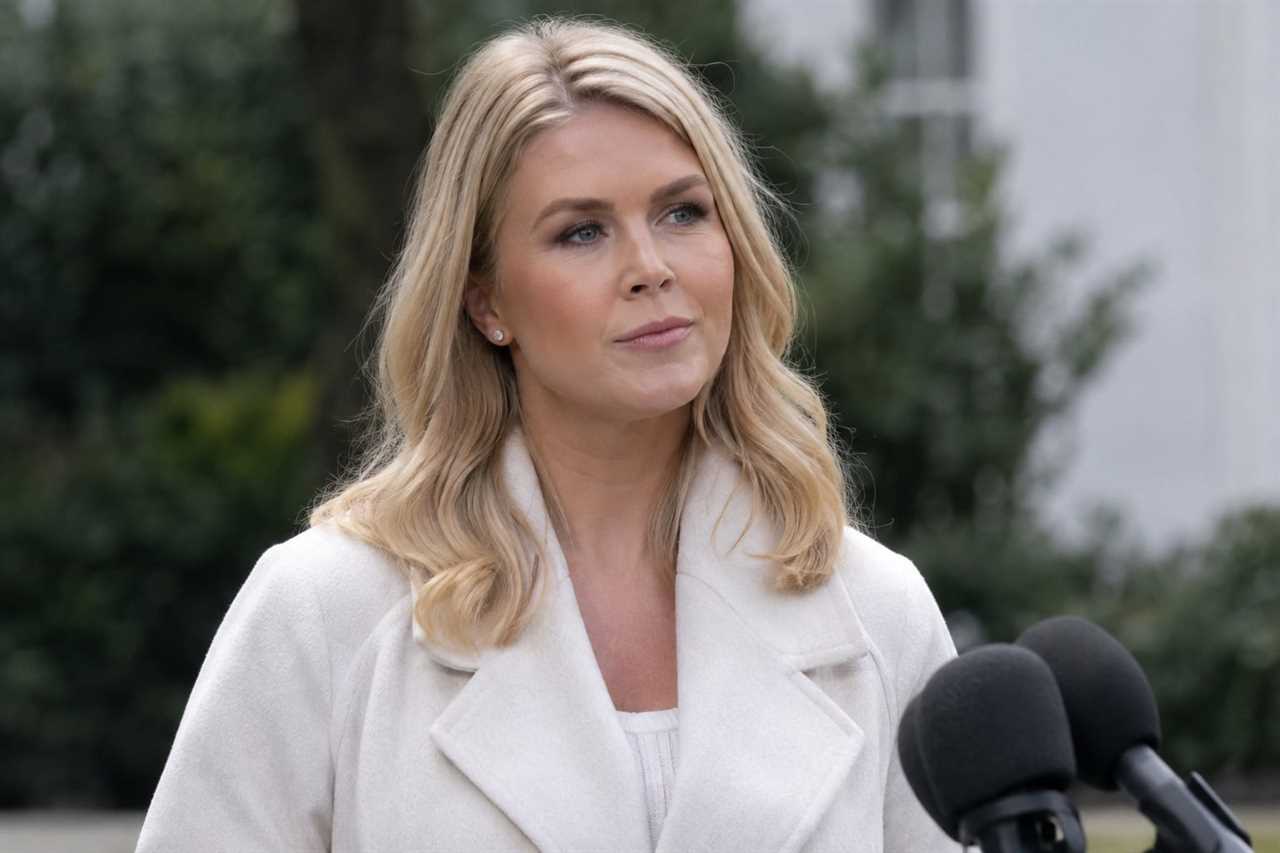
Karoline Leavitt, the youngest press secretary in White House history, stepped away from her role in August. On a recent episode of "Hang Out with Sean Hannity," she said the real challenge of the job was never facing reporters, it was leaving her young children at home every day.
Leavitt, 28, shares two children with her husband, 60-year-old real-estate developer Nicholas Riccio. She told Hannity that being a working mom was "the hardest thing I've ever had to do in my life," and she traced that struggle back to the very start of her time on Trump's team.
Her son, Niko, was born in July 2024. That same day, she watched on live television as Trump survived an assassination attempt in Butler, Pennsylvania. She was three days postpartum. Producers were calling, asking her to go on air, and she said she felt she owed it to the president to do it. She went back to work as the campaign's national press secretary just days after giving birth, calling the moment "very traumatic."
Things didn't get easier once she moved into the West Wing. Leavitt described leaving early each morning while her toddler clung to her leg at the door, and said staff sometimes had to distract him so she wouldn't have to say goodbye again. She admitted there were mornings she drove to work in silence, questioning whether she could keep doing it.
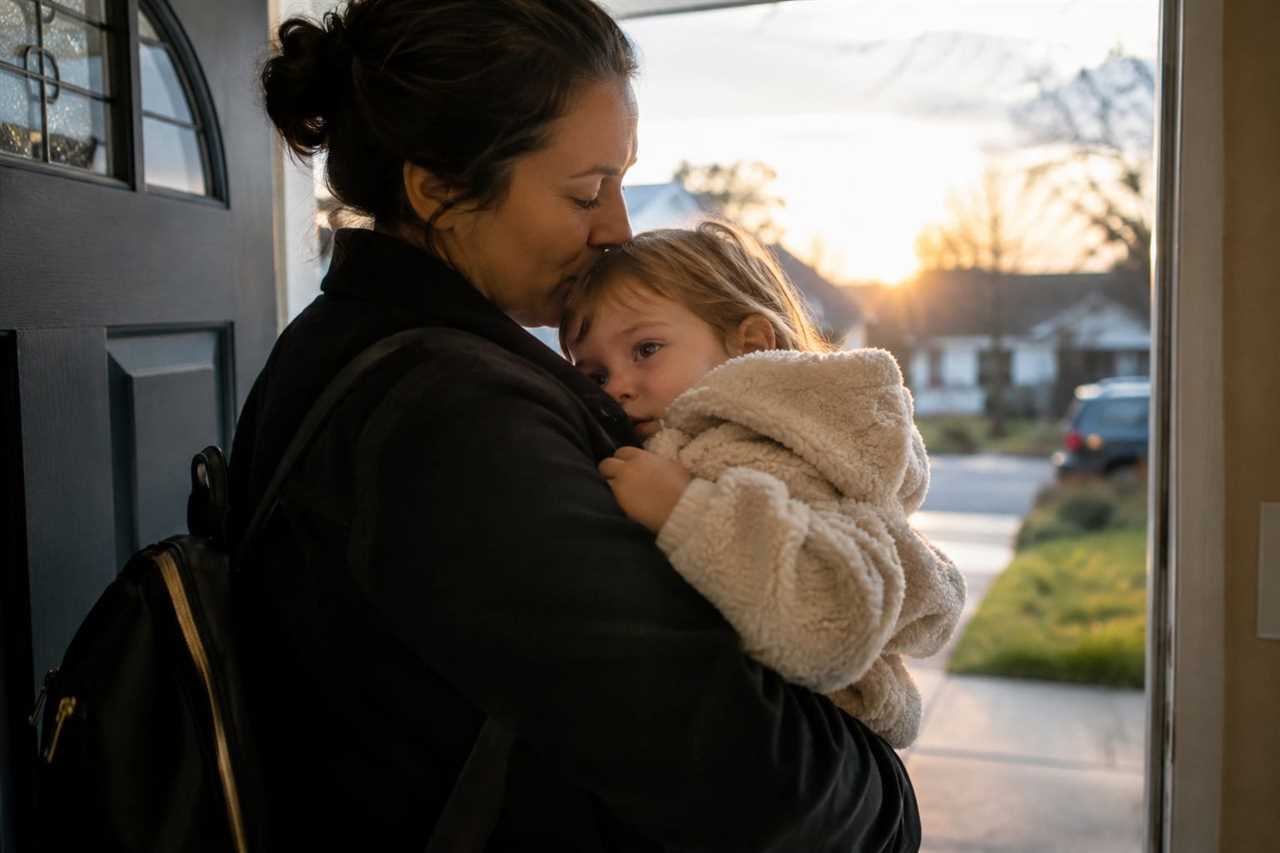
Her daughter, Viviana, was born in May. After that, Leavitt said she knew something had to change. She told Hannity the president deserves someone who can give the job everything, 24/7, and after having two kids, she realized she couldn't be that person anymore. She said Trump could not have been kinder about her decision, and that leaving was the hardest choice she's made, since she loved the job, the president, and the team. But as she put it, she loves her kids more, and they need her home during these young years.
What I'd tell a client about this
Here's the lesson I keep coming back to when a client tells me they're trying to "figure out" work-life balance: there's no version of that balance that doesn't involve a real trade-off. Leavitt didn't quietly manage two full-time jobs at once. She hit a wall, named it out loud, and made a hard choice. That's the part worth paying attention to, not the fact that she was tired, but that she let the exhaustion actually change her decision instead of just complaining about it for another year.
Most people wait for permission to make that call. They wait until the burnout is undeniable, until something breaks, before they'll admit the current setup isn't sustainable. Leavitt had one of the most visible jobs in the country and she still said, plainly, that she couldn't give it what it needed anymore. That kind of clarity usually comes late for most of us. It doesn't have to.
One small action to take this week
Pick one commitment, work or otherwise, that's quietly costing you more than it's giving back right now. Not a dramatic one. Just one thing you've been meaning to reconsider. Write down, in one sentence, what it's actually costing you (time with your kids, sleep, patience, whatever it is). Then decide, this week, whether that cost is one you're willing to keep paying for another six months. You don't have to quit anything today. You just have to stop pretending you haven't noticed.
I hear versions of Leavitt's story constantly in coaching conversations, just with different job titles. The person isn't struggling because they're bad at managing their time. They're struggling because they're trying to fully show up in two places that both demand everything. Naming that tension honestly, the way Leavitt did on that podcast, is usually the first real step toward fixing it. Waiting for it to resolve itself rarely works.
This is our first article on this topic — there is more at LessonsBeyondTheStory