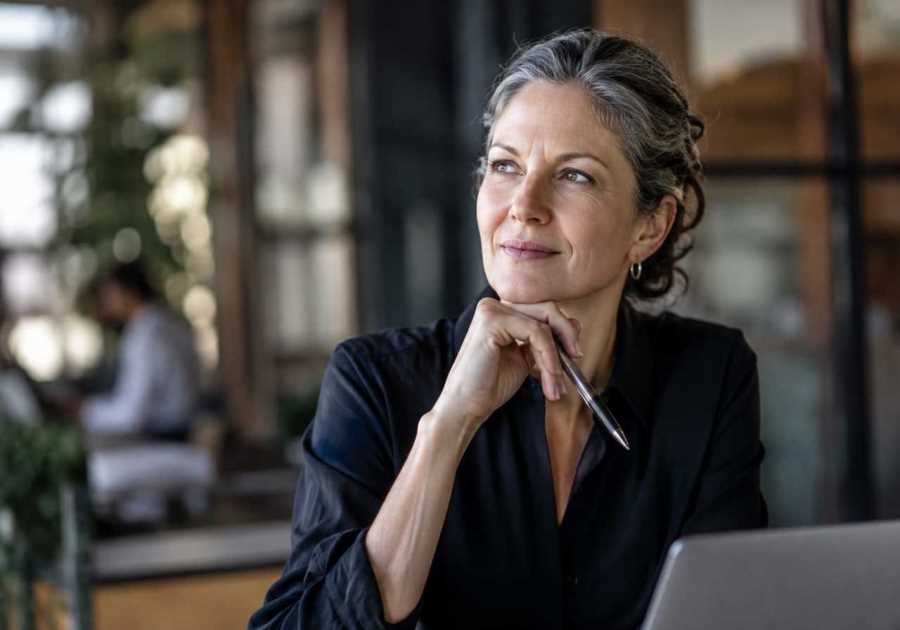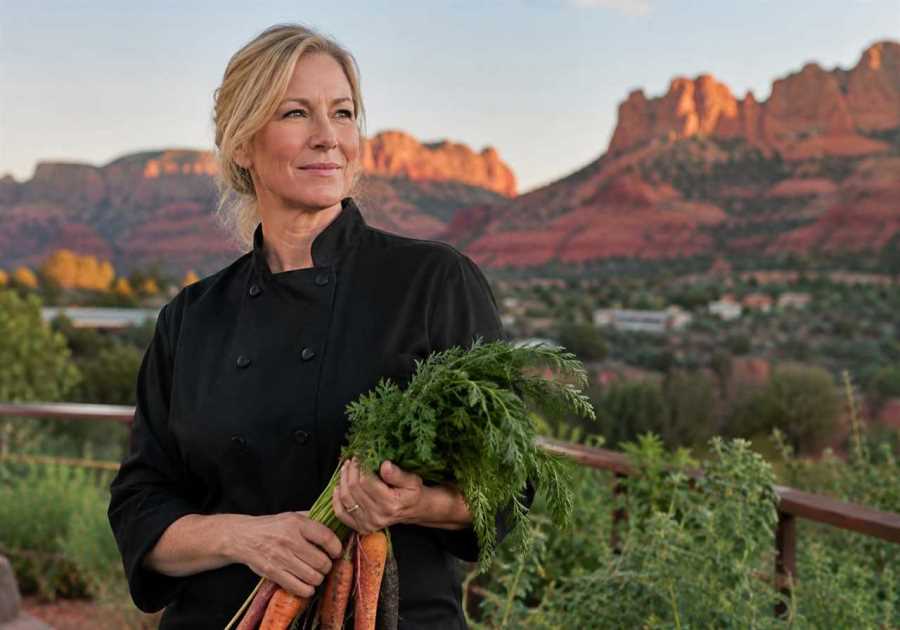
Emma Willis has just taken on her biggest presenting role yet, joining Strictly Come Dancing as a new host the same year she turns 50. On TikTok this week she told viewers she wished she had known sooner how capable she was, saying she had spent decades with "the brakes on" out of fear she wasn't good enough.
Willis isn't alone. Claudia Winkleman had one of her biggest hits, The Traitors, in her fifties. Davina McCall has built a second career as a voice for women's health with her Begin Again podcast. Alison Hammond joined The Great British Bake Off in 2025, the same year she turned 50. The Forbes 50 Over 50 list now celebrates hundreds of women starting companies and leading organisations in the second half of their lives. And the numbers back up the trend beyond television. A Department for Work and Pensions survey from 2024 found that 84% of employers had someone aged 50 or over on staff, with 83% of employers valuing the experience older workers bring, 62% valuing reliability, 46% loyalty and 38% good communication skills.
Rosie Nixon, author and founder of Rosie's Reinvention Retreats, writes about this shift in her new book The PRO Method: Pause, Reflect, Organise. She describes turning 50 as a natural point to pause and assess, arguing that decades of navigating workplaces and personal challenges create two real advantages: deep self-awareness and a much lower tolerance for settling. Research from Rutgers Business School also found that caregiving builds 18 distinct skills, including time management, emotional intelligence, conflict resolution and the ability to manage complexity, all of which overlap heavily with leadership.
What I'd tell a client about this
I spend a lot of my time as a coach taking stories like this one and turning them into something a client can actually use, and this one has an obvious lesson sitting right in the middle of it. The skill you already have is rarely the problem. The story you tell yourself about that skill is. Willis didn't suddenly become capable at 50. She simply stopped doubting what was already there. Every client I've worked with who has made a big move in midlife has gone through the same shift: not acquiring brand new abilities overnight, but finally giving themselves credit for the ones built over twenty years of work, parenting, problem solving and quietly handling things nobody else noticed.
If you are sitting on experience you've stopped valuing because it doesn't look flashy on paper, that's worth examining honestly. Reliability, judgement, the ability to read a room, knowing which battles are worth having. None of that shows up neatly on a CV, but every employer survey keeps saying it's exactly what they want.
One small action for this week
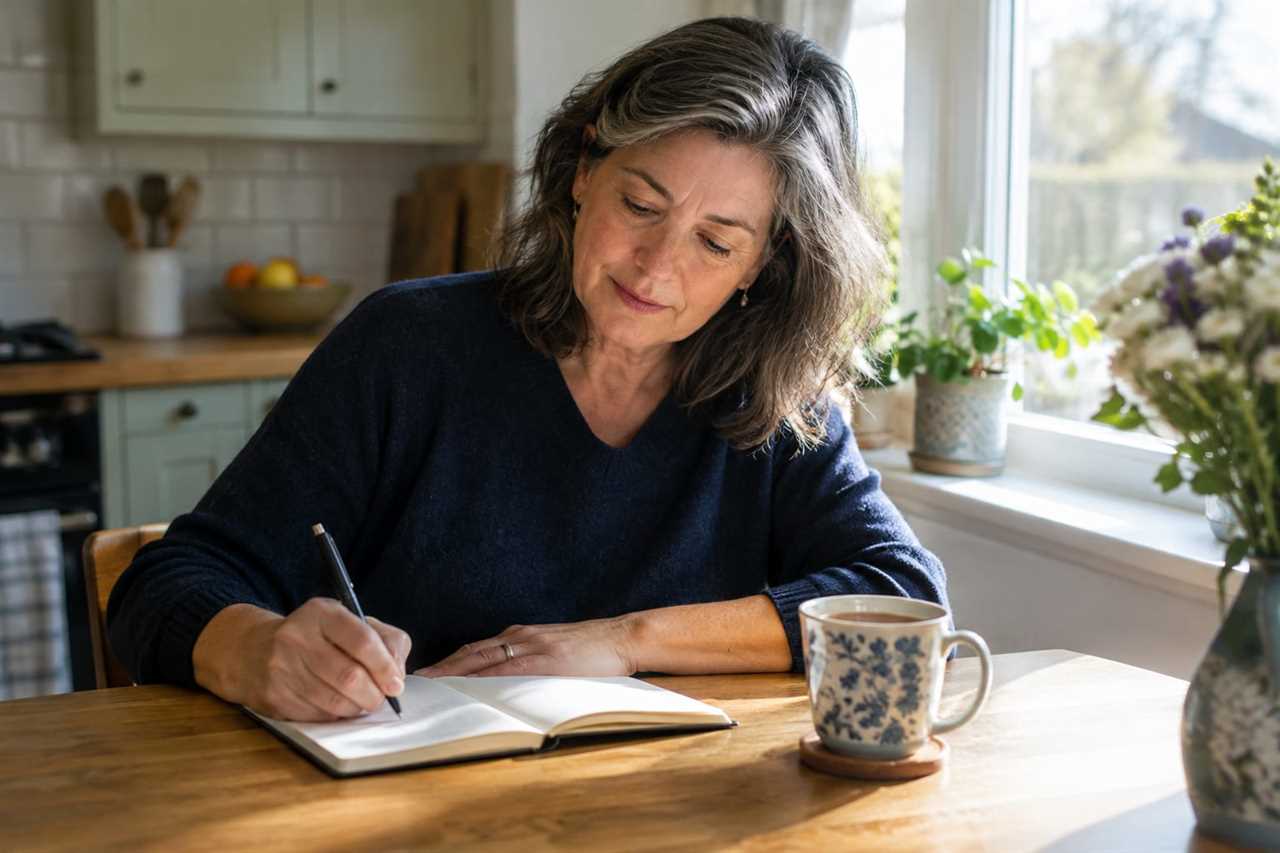
Write down three things you've handled in the last year that you didn't think twice about at the time, a tricky conversation, a crisis you managed, a project you pulled together under pressure. Then write next to each one what skill it actually proves. That short list is often the first evidence a person needs that they've been underselling themselves for years.
Success at this stage doesn't have to mean a title change or a salary jump. As Nixon puts it, success in midlife becomes less about external validation and more about working out what is genuinely enough for you. That's not a lesser version of ambition. It's a more honest one.
Willis closed her message with the question that matters most here: not whether it's too late, but if not now, when. Fifty isn't a deadline on what you can do. For a lot of women, it's the point where you finally stop asking permission to do it.
Catch up on our earlier post: Grief and Healing Follow Deadly Attack at Oregon Elementary School