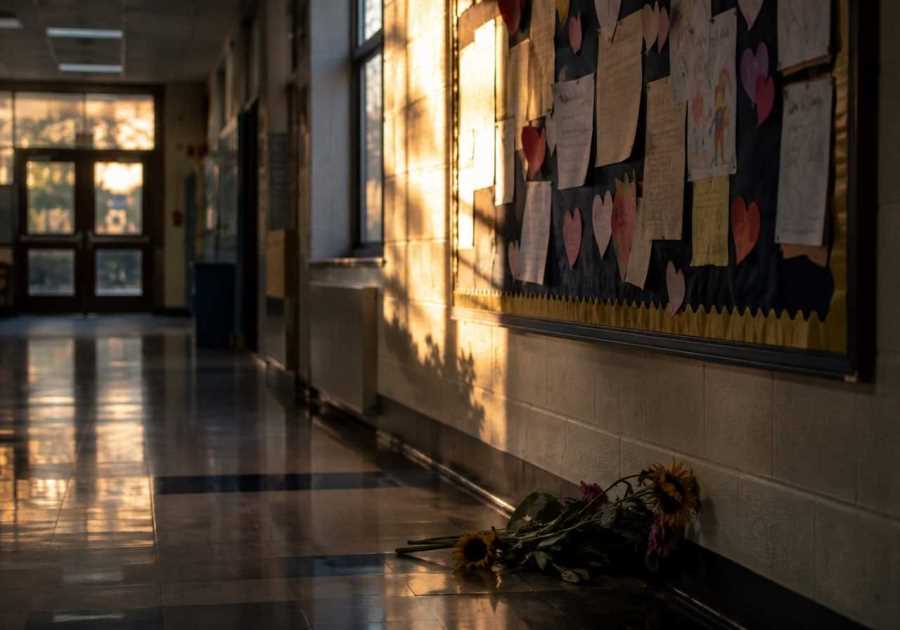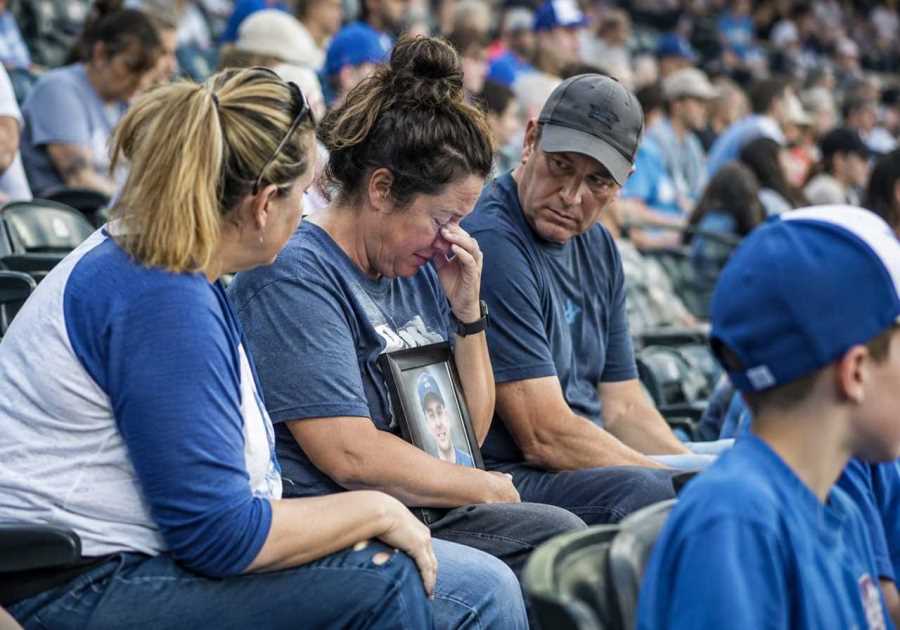
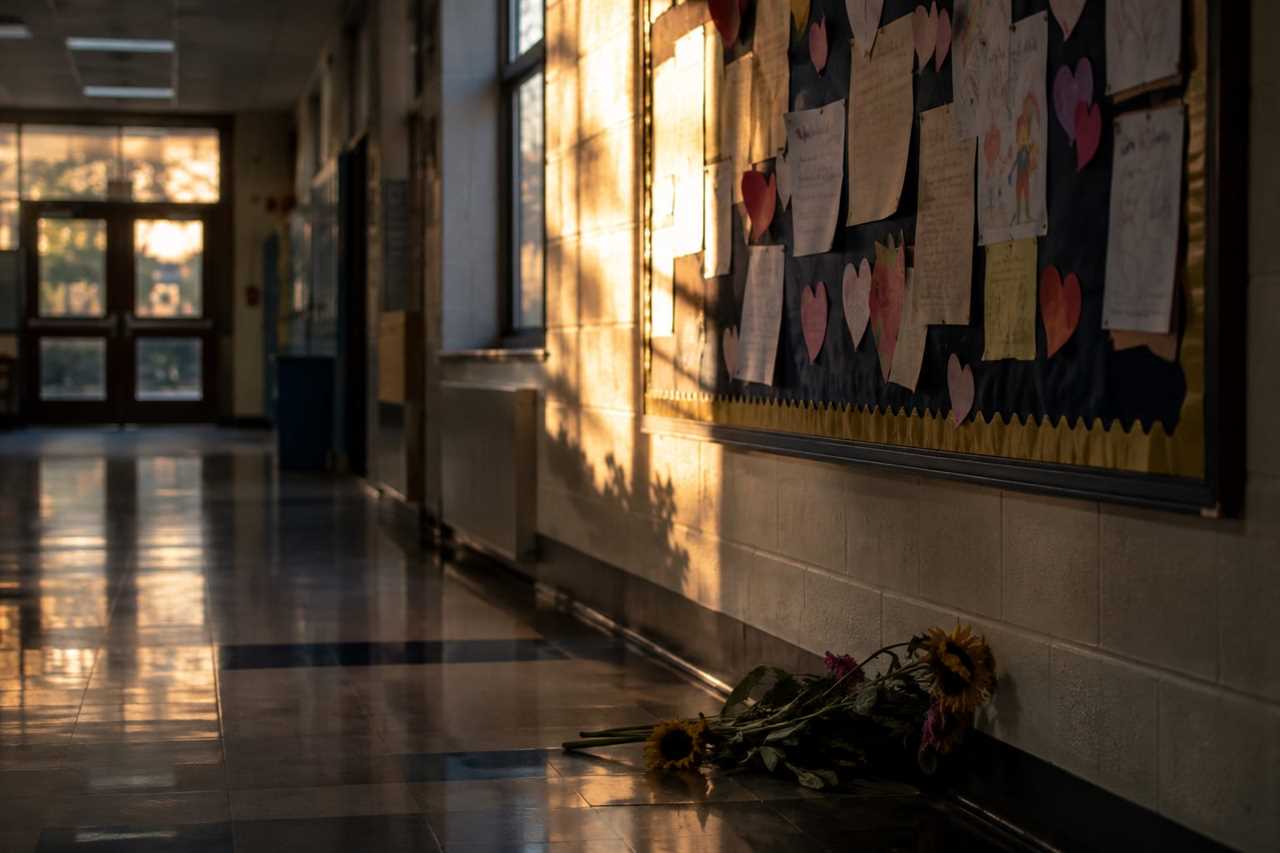
A mass shooting at Silver Rail Elementary School in Bend, Oregon has left three children and a teacher dead, with police still searching for a motive. The attack happened on October 15, when a 16-year-old suspect entered the school and opened fire before a community member followed him inside and fatally shot him.
Two victims remain in critical condition in the hospital: a 7-year-old child and a 54-year-old teacher. Parents, students and staff in Bend are now leaning on each other as the shock settles in, and the town is beginning the long, uneven process of healing. There is no word yet on why the attack happened, and investigators are continuing to work the case.
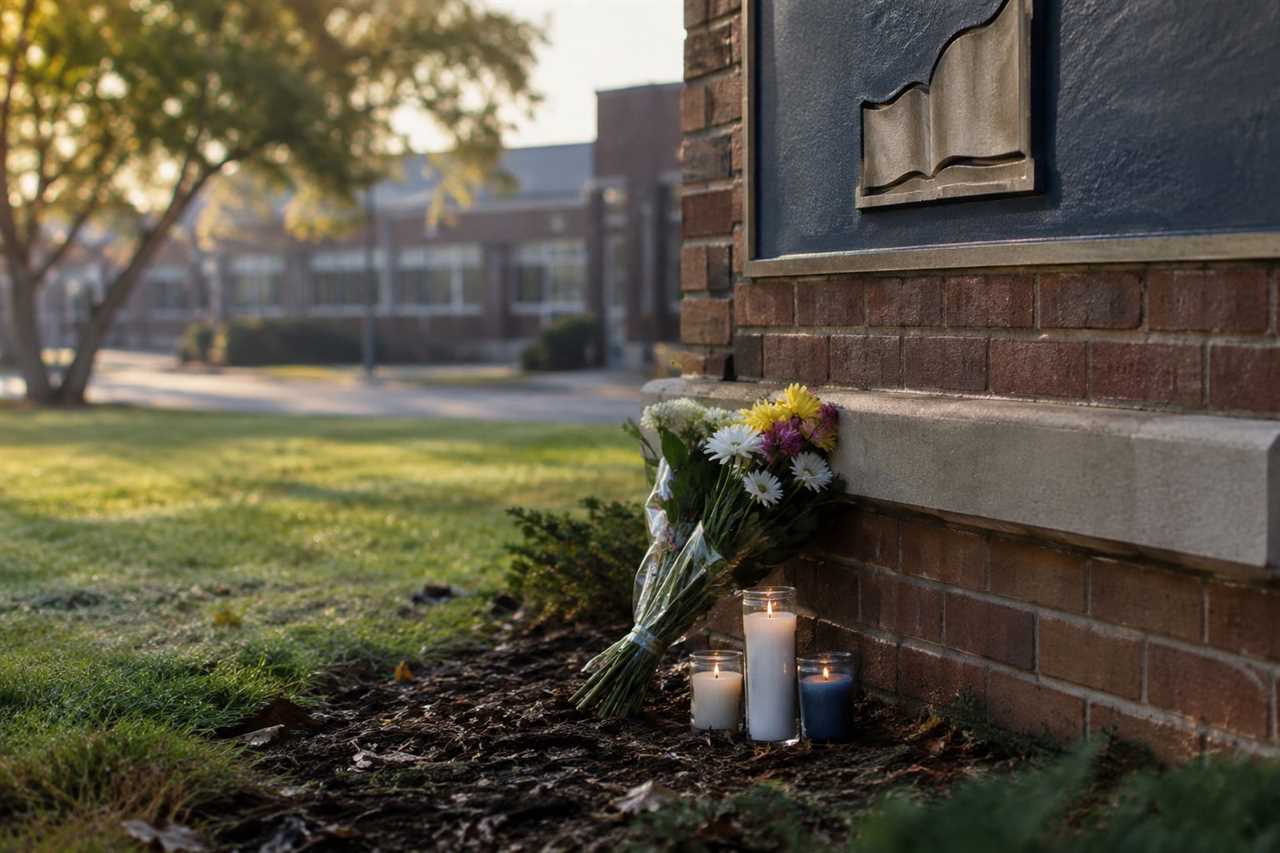
Stories like this one land hard because they strike at something we assume is safe: a school, a classroom, a Wednesday morning. When that assumption breaks, people do not just grieve the people they lost. They start questioning the systems they trusted to protect their kids.
What I'd tell a client about this
The lesson here is not about security systems or politics. It is about how a community responds in the hours and days right after something unthinkable happens, and how much that response shapes the healing that follows.
In my work, I talk with clients often about the difference between reacting and responding. A tragedy like the one in Bend triggers both instincts at once: the urge to do something immediately, and the deeper need to simply be present with people who are hurting. The families in Bend are not going to heal because someone finds the perfect words. They will heal because the people around them keep showing up, in small and steady ways, over weeks and months, long after the news cameras leave.
If you are a parent, a teacher, a neighbor or just someone who read this headline and felt your stomach drop, the instinct to want answers right now is normal. But the honest truth is that answers are not always available quickly, and sometimes they never fully satisfy the question of why. What you can control is how you show up for the people in your own circle who are scared, grieving or just rattled by the news. That is the part of this story that applies to every one of us, no matter how far we live from Bend.
I also think about the community member who ran toward danger rather than away from it. We do not know that person's full story yet, but their choice is a reminder that courage in a crisis is rarely planned. It is built in advance, through the habits and instincts people carry with them long before they are tested.
One small action to take this week
Have a real conversation with your kids, or the kids in your life, about what to do if they ever feel unsafe at school. Not a scary lecture. A calm, short talk about who they can go to, where they can go, and that it is always okay to tell an adult if something feels wrong. Then ask your child's school, directly, what their safety plan looks like. You do not need every detail. You just need to know a plan exists and that you understand your part in it.
If you are a teacher or a staff member, take ten minutes this week to check in with one colleague who might be carrying more worry than they are showing. A short, genuine conversation can matter more than people expect.
Bend is going to need time, patience and consistent support from people both inside and outside the community. The children and the teacher who were lost cannot be brought back, and the two victims still in critical condition deserve every bit of hope and prayer available right now. What the rest of us can offer, from wherever we are, is attention that does not fade once the story stops trending. That is the part of healing that actually belongs to all of us.
Still catching up? Start with How Lisa Dahl Turned Grief into a Sedona Culinary Empire