On Tuesday, April 23, 1985, at Lincoln Center in New York, Coca-Cola chairman and CEO Roberto C. Goizueta and president Donald R. Keough introduced a new formula for Coke. Goizueta called it "a smoother, rounder, more harmonious flavor." The Chicago Tribune added: "In other words, sweeter."
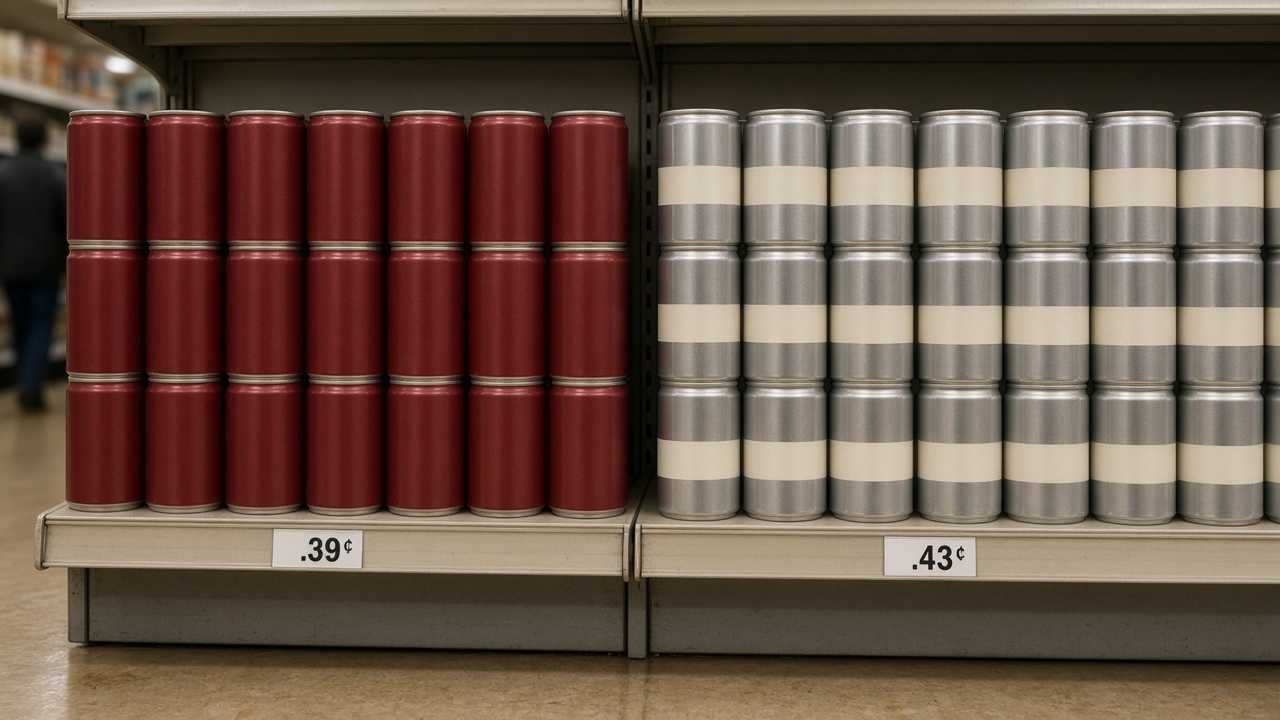
The old formula would not sit next to it on the shelf. It was being withdrawn in the United States.
I'm Damon Nelson. I've been a marketer and developer for more than 30 years, and I've seen plenty of tests come back with a clear winner. This story is about what happens when the test is big, the winner is clear, and the question is still wrong.
Why Coke moved
Coke was still the leading U.S. soft drink, but its share had been slipping. On launch day, the Tribune, citing the trade magazine Beverage Industry, put Coke at 21.7 percent of the domestic market at the end of 1984, down from 24.3 percent at the end of 1980. Pepsi was at 18.8.
Pepsi had spent years running the Pepsi Challenge on TV, where blind testers often picked Pepsi's sweeter taste.
Asked why anyone would change a success, Goizueta said: "We would agree that if it ain't broke, don't fix it. But we also believe in the old axiom that the consumer is always right."
What the tests said
The company said the new formula won blind taste tests 55 to 45 over the old one. It described a test program of about 190,000 to 200,000 people. Those numbers are company-reported.
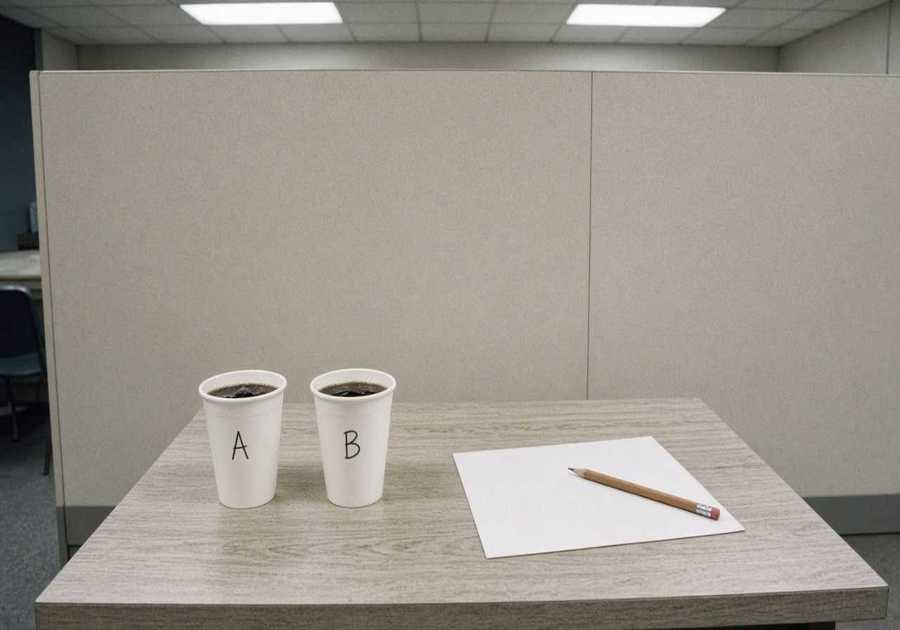
And the tests answered one question well: which sip do you prefer?
55 TO 45 IN A BLIND SIP. COMPANY-REPORTED.
What people did instead
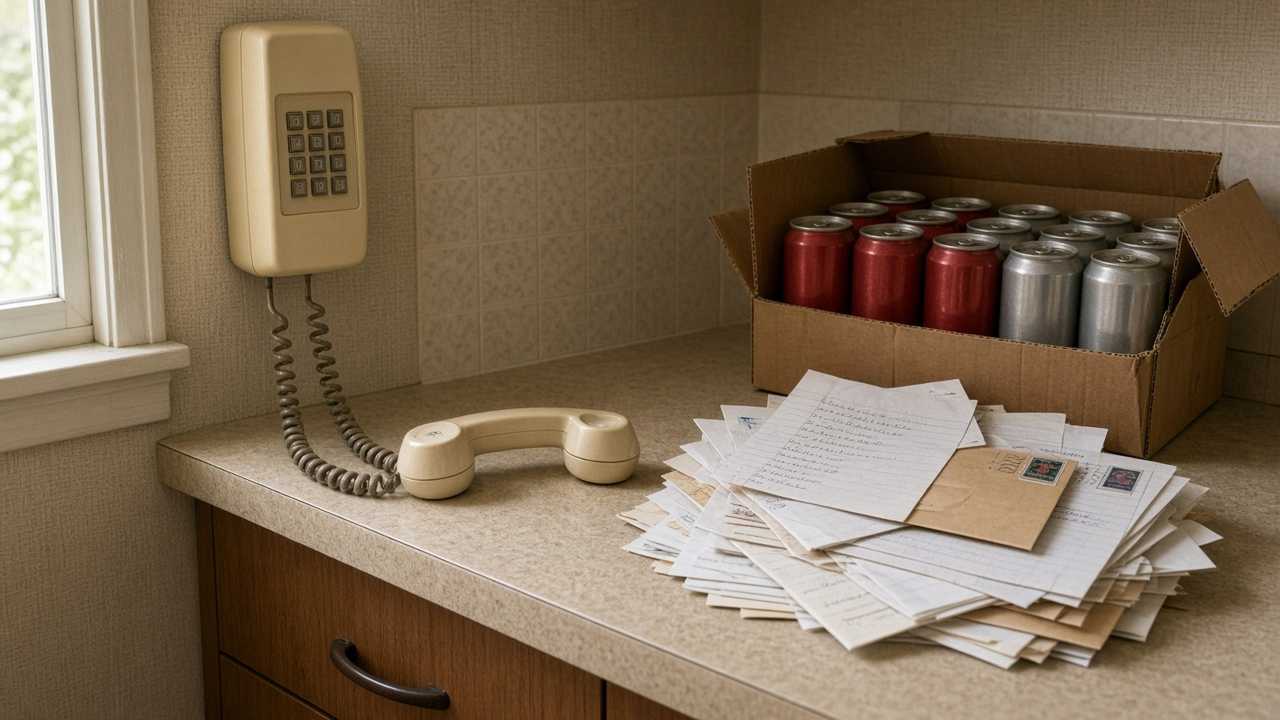
The reaction was loud and fast. By June, the consumer hotline was taking about 1,500 calls a day, against about 400 before, figures reported by Time and by the company. People wrote letters. One the company still cites was addressed to "Chief Dodo, The Coca-Cola Company." People hoarded cases of the old drink. Protest groups formed.
On June 24, Time quoted Brian Dyson, president of Coca-Cola USA: "We are going to stick with what we have done."
A few weeks later, they didn't.
The reversal
News of the reversal broke on July 10, 1985. Coca-Cola's official history and most later accounts date the return to July 11, 79 days after the April 23 announcement. A public apology and a press conference came with it.
The original came back as Coca-Cola Classic. The new taste stayed on sale.
Keough didn't dress it up. The passion for the original, he said, "just flat caught us by surprise." He said there had been "no intention" in April of bringing the old formula back, and that "the consumer decided for us."
The company's own later history page puts it plainly: "What these tests didn't show, of course, was the bond consumers felt with their Coca-Cola, something they didn't want anyone, including The Coca-Cola Company, tampering with."
THE TESTS ASKED ABOUT A SIP. THE DECISION TOOK AWAY A DRINK.
Was it a plot?
You'll hear that Coke planned the whole thing to win back love for the old drink. That theory showed up right away. On July 14, 1985, the Tribune asked: "Was it a scam or a thoughtless sham?"
Asked if it had been planned, Keough said, "We're not that smart." Later retellings quote a longer version: "we are not that dumb, and we are not that smart." The company has denied a plot ever since, and no primary source supports one. Treat it as a myth.
Yes, the company later claimed benefits. At a 1995 employee event, Goizueta said, "We set out to change the dynamics of sugar colas in the United States, and we did exactly that, albeit not in the way we had planned." That's a CEO looking back. It isn't proof of a plan.
How to use it in your business
Here's the lesson I take from it. Research can be huge and still be pointed at the wrong question.
The tests asked which drink tasted better. The decision was to take away the one people already had. Those are different questions. Preference in a tasting booth is not consent to a substitution. Later analysis on History.com says testers were never asked how they would feel if the new formula replaced the old one.
The second lesson is the reversal. When a change takes something people feel they own, reverse in the open and give it back. Coke did that in mid-July, with an apology, and it is as much a part of this story as the April mistake.
Not every A/B test ends like New Coke. Most are smaller and easy to undo. The parallel is the shape of the mistake: a metric that wins the test, then a rollout that removes what loyal customers chose.
How to use it: Before you replace something your customers already use (a price plan, a product, a redesign, a recipe), ask the substitution question, not only the preference question: "If this replaced what you have now, how would you feel?" If the answer stings, offer the new version as an option first.
Sources
- The Coca-Cola Company, "New Coke: The Most Memorable Marketing Blunder Ever?": https://www.coca-colacompany.com/about-us/history/new-coke-the-most-memorable-marketing-blunder-ever
- Chicago Tribune, "How Sweet 'It' Is, Coke Hopes," April 24, 1985: https://www.chicagotribune.com/1985/04/24/how-sweet-it-is-coke-hopes/
- Chicago Tribune, "Classic Case of Formula Forethought?" July 14, 1985: https://www.chicagotribune.com/1985/07/14/classic-case-of-formula-forethought/
- Time, "All Afizz Over the New Coke," June 24, 1985: https://time.com/archive/6704279/all-afizz-over-the-new-coke/
- Associated Press, "'Passion' for Original Coke Wasn't Seen: Officials Apologize, Tell Surprise at Furor Over Change," Los Angeles Times, July 11, 1985: https://www.latimes.com/archives/la-xpm-1985-07-11-mn-8453-story.html
- Kenneth N. Gilpin, "'Old' Coke Coming Back After Outcry by Faithful," The New York Times, July 11, 1985: https://www.nytimes.com/1985/07/11/business/old-coke-coming-back-after-outcry-by-faithful.html
- Michael White, "From the archive: Coca-Cola changes its formula - 25 April 1985," The Guardian: https://www.theguardian.com/business/2019/apr/25/coca-cola-new-coke-formula-1985
- Christopher Klein, "Why Coca-Cola's 'New Coke' Flopped," History.com, April 23, 2015: https://www.history.com/articles/why-coca-cola-new-coke-flopped
- Barbara Mikkelson, "Was the 'New Coke' Fiasco Just a Clever Marketing Ploy?" Snopes, May 1, 1999: https://www.snopes.com/fact-check/new-coke-fiasco/